
As soon as the weather warms up, the buzzing begins. Whether you are planting flowers, enjoying dinner on the patio, or sipping your morning coffee outside, stinging insects have a way of killing the vibe.
But are stinging insects truly dangerous, or are they simply misunderstood? The answer is a little bit of both. Let’s take a closer look at why they seem so menacing, the damage they can actually cause, and what you can do to keep them out of your personal space.

Why Do Stinging Insects Seem “Evil”?
It is easy to think they have it out for us. Despite the abundant benefits that stinging insects provide us (pollinating our crops, feeding on pest insects, and contributing to a healthy ecosystem), their behavior isn’t always positive. They hover, they dart around unpredictably, and their stings can definitely leave a mark. In reality, most stinging insects are not aggressive unless they feel threatened or their nest or hive is at risk.
To put it simply, a sting is a defense mechanism. It’s not personal. Stinging insects are not chasing you just to be mean. They are responding to something that they perceive as danger.
What Might Stinging Insects Perceive as a Threat?
Below are some examples of things we might do mindlessly that can be threatening to a stinging insect, causing them to behave erratically or sting.
- Disturbing a nest – whether that be on purpose or accidentally
- Making any sudden movements near a stinging insect
- Swatting at or squishing a stinging insect – physically hurting them or a nestmate might cause a stinging insect to act aggressively
No matter how scary a stinging insect might be to you, acting calmly around them or gently brushing an insect away is your best bet.
When are Insect Stings Serious?
Insect stings can be dangerous because of how humans might react to them. A typical insect sting can cause pain, swelling, tenderness, or even stiffness of joints.
For people with an allergy, even one sting can become a serious medical situation. Someone with a severe stinging insect allergy can experience anaphylactic shock because of a sting. In some cases, usually as a result of a severe allergic reaction, an insect sting can be fatal. While most stings are simply uncomfortable, in some cases, they truly can be dangerous.
The Truth About Bees and Wasps
Not all stinging insects are the same. Some are more aggressive than others, and understanding their behavior can make a huge difference in how you respond.
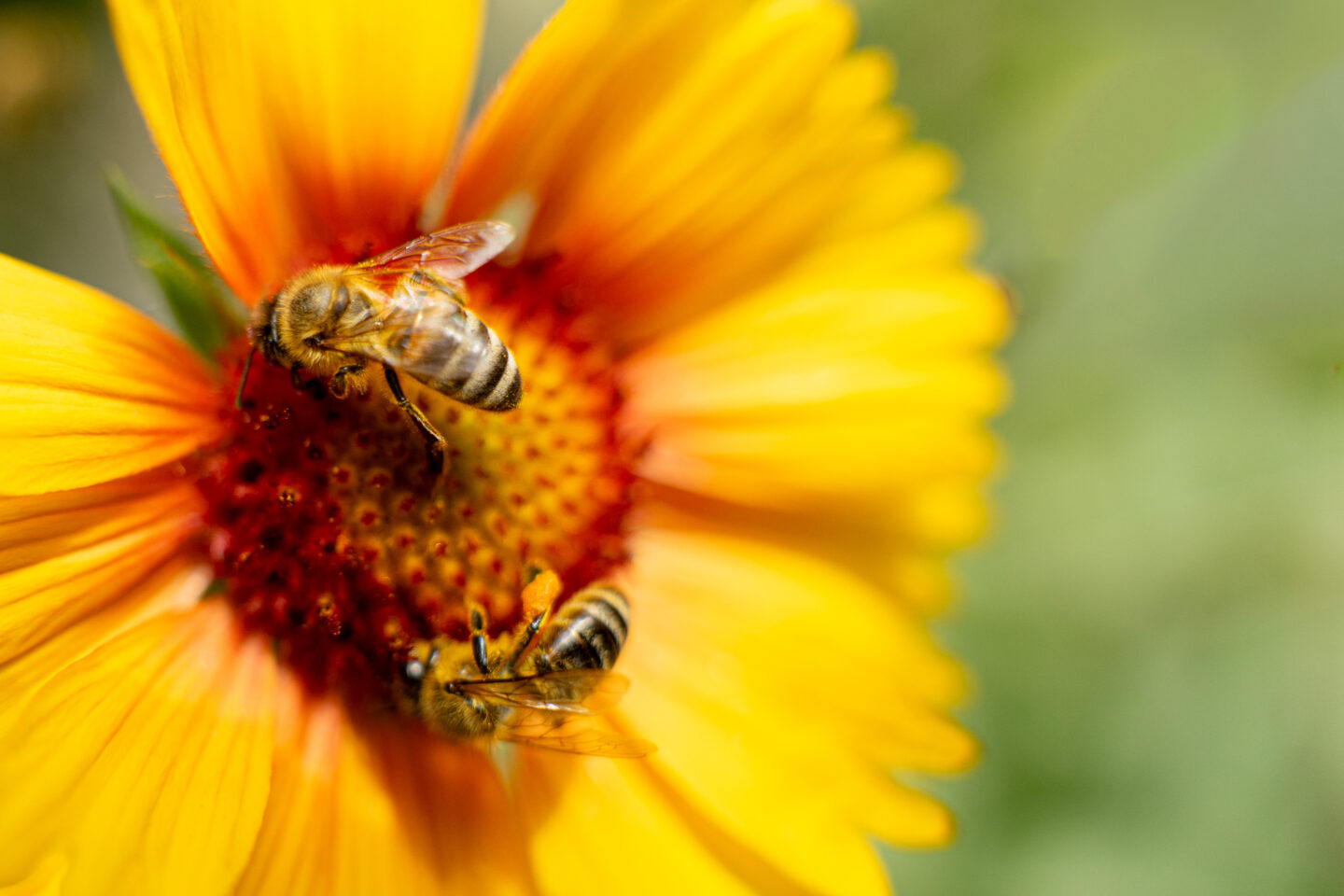
Bees
Bees are generally calm and mainly focused on foraging and pollination. Honeybees and bumblebees will usually only sting if they are directly threatened (think of being stepped on or invading a hive). Honeybees only sting once and then die, so they typically use that defense carefully.
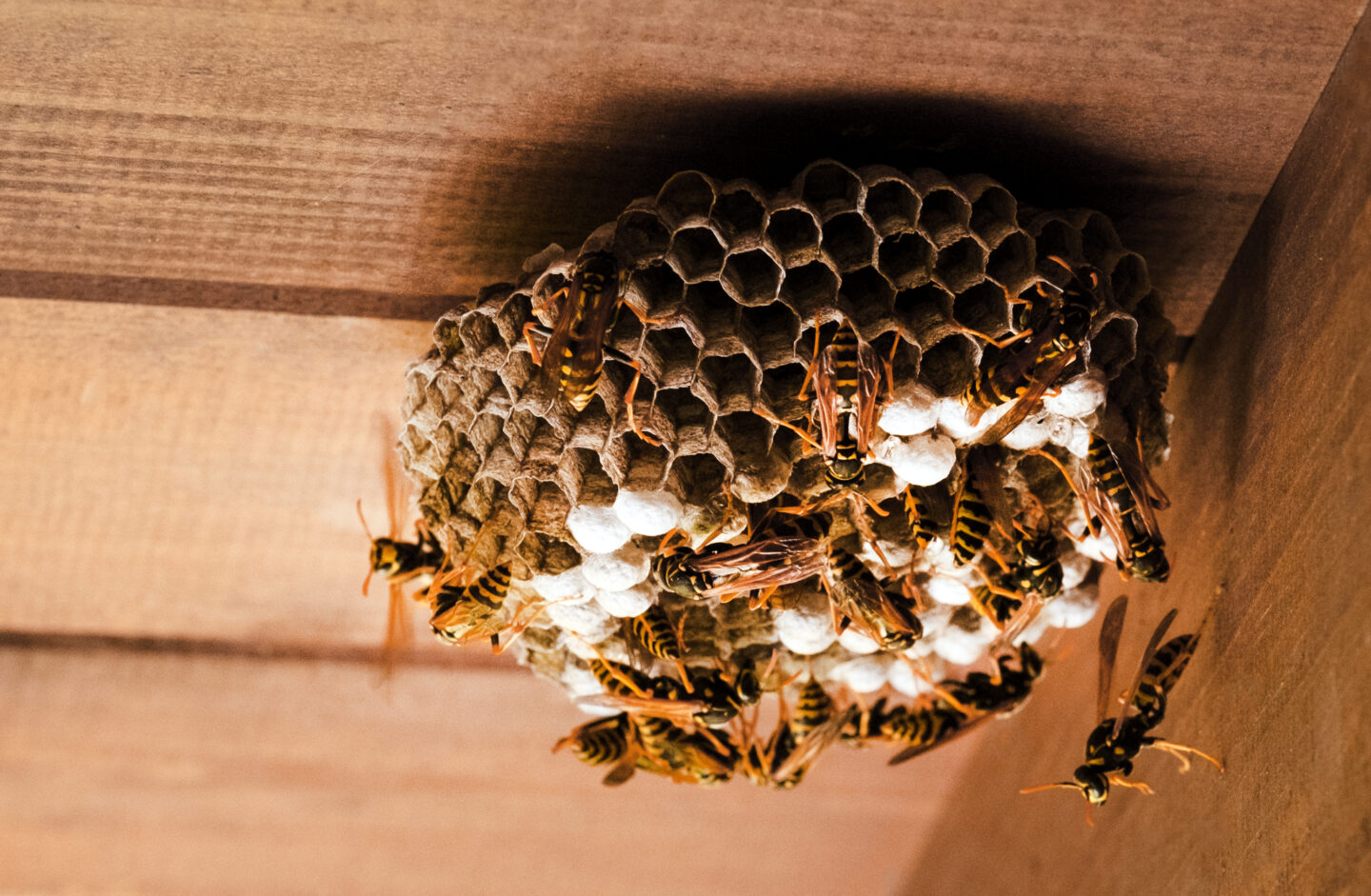
Social Wasps
Social wasps tend to be more reactive. They can sting repeatedly and are known to be territorial, especially near their nests. Paper wasps and yellowjackets are the ones most likely to crash your picnic or buzz around the trash can. Bald-faced hornets are actually a type of large social wasp, known for their aggressive nature.
Solitary Wasps
Solitary wasps might look scary, but many of them don’t sting, or only sting when EXTREMELY threatened. These wasps are typically predatory and use their stingers to catch prey to feed their young. You might see large, orange and black wasps hovering around your garden during the summer season. These insects might look threatening and have a threatening name – “cicada killer” – but these wasps very rarely sting unless directly handled. This wasp is known for being a predator of cicadas, not for stinging humans.
Most Common Stinging Insects in the Midwest
If you live in the Midwest, here are a few stingers you are likely to see during the warmer months:

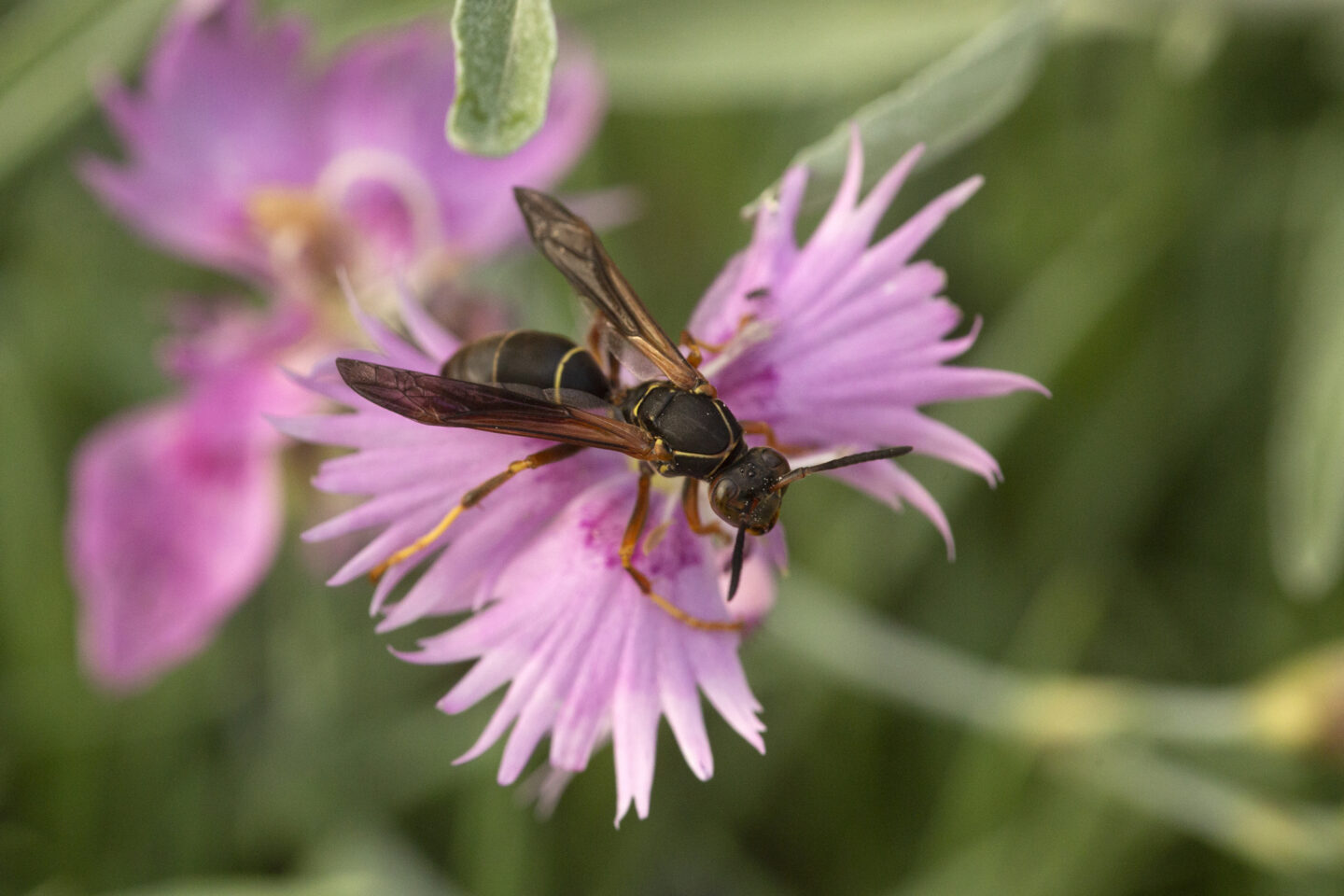
Honeybees

Bumblebees
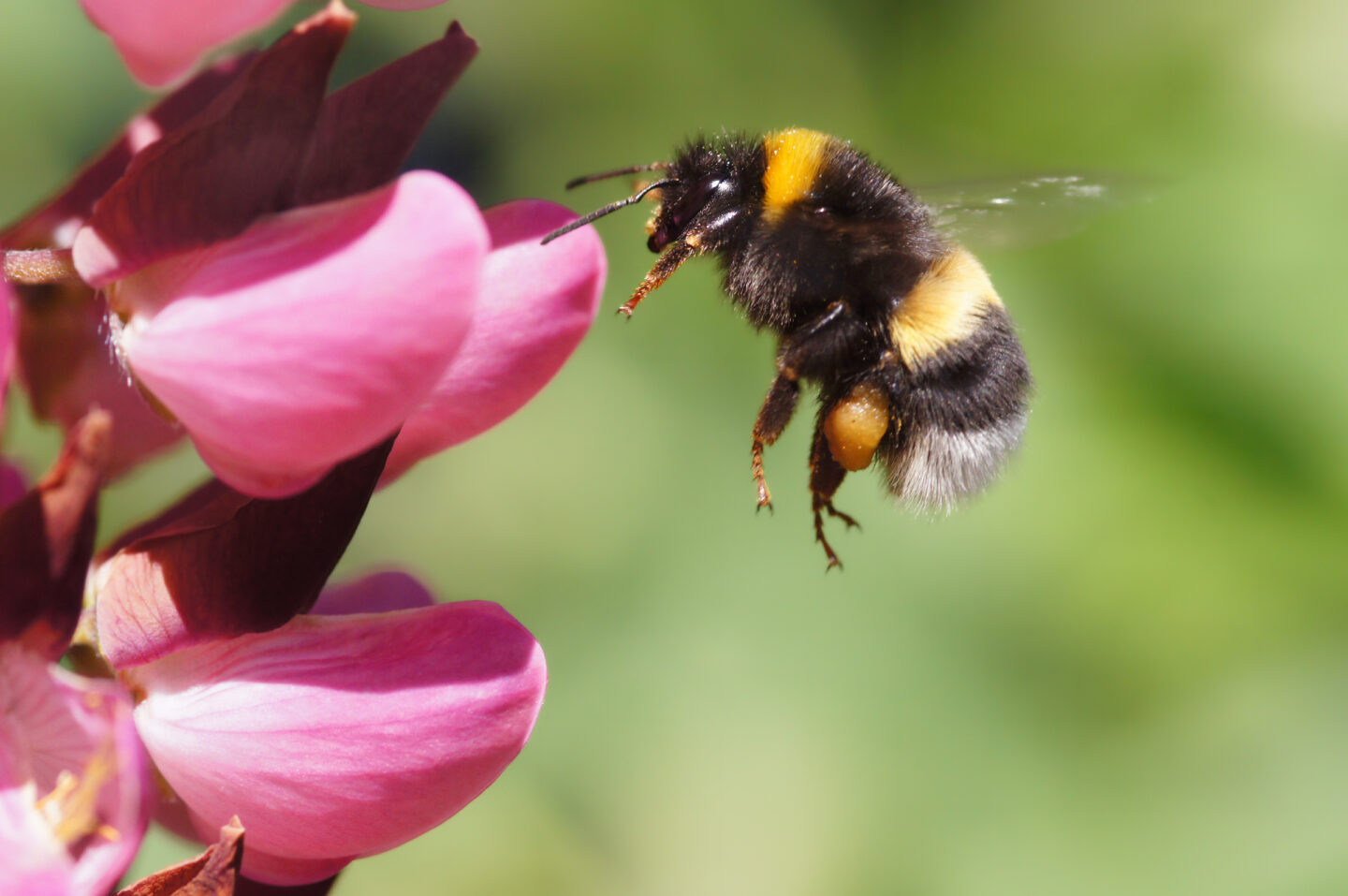
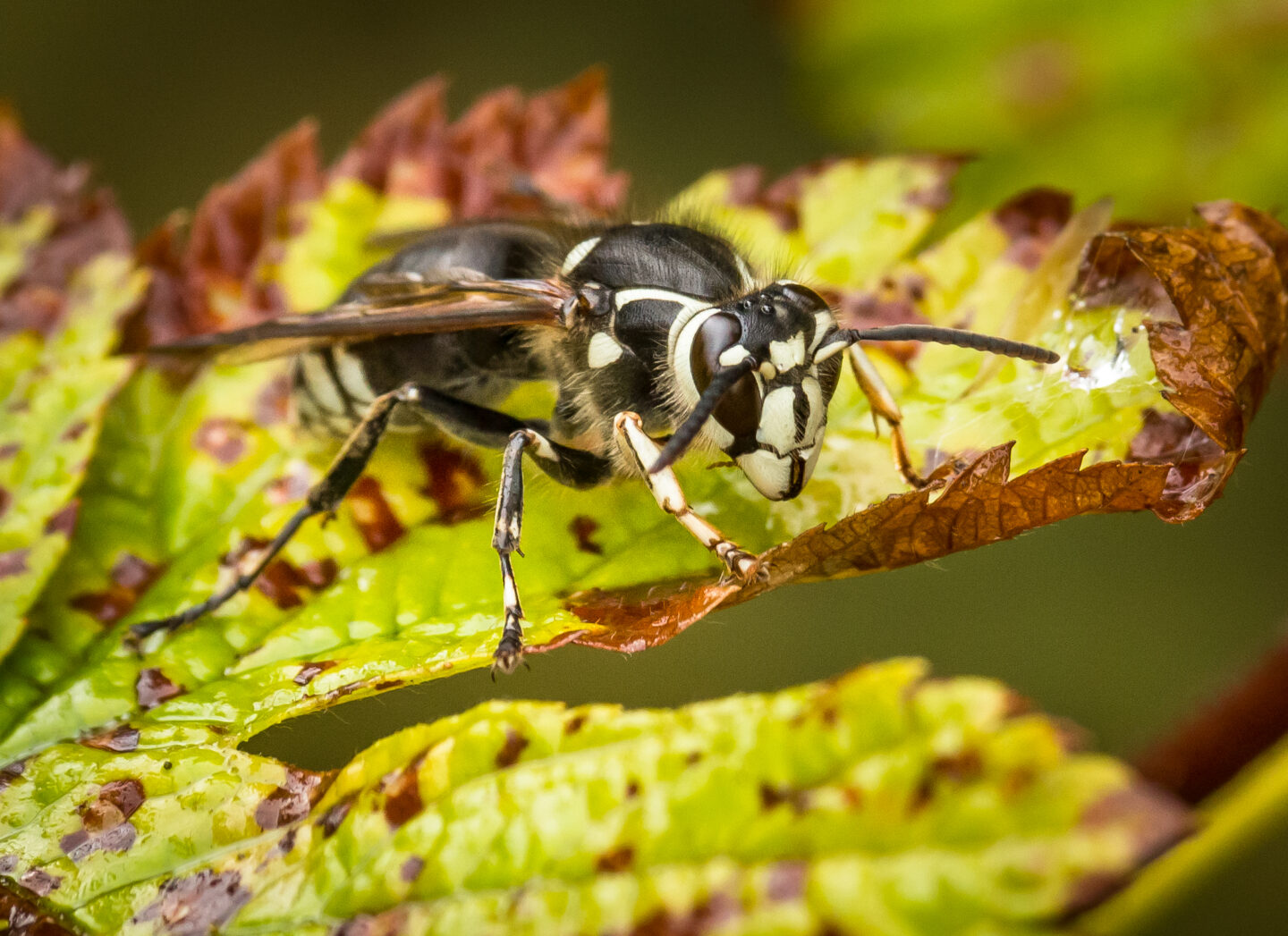

Late summer is when these insects are most active. Colonies are at their largest, food sources start to disappear, and they become more aggressive in search for sugary snacks and proteins. Some insects like yellowjackets are protective over food sources and will sting to defend their food.
Five Ways to Keep Stinging Insects Away from Your Home
You do not have to live in fear of being stung. A few simple steps can help reduce your chances of attracting unwanted attention.
- Keep food and drinks covered when eating outside to make them less attractive to stinging insects
- Rinse out recycling and seal garbage bins
- Avoid wearing floral perfumes or bright patterns outdoors
- Check under eaves, deck railings, and outdoor furniture for early signs of nests and destroy if possible/safe to do so. The younger a nest is, the easier and less dangerous it is to remove
- Keep windows and doors closed or screened to block insect entry
When to Call a Pro
Some smaller insect nests can be removed yourself, but others pose more serious stinging risks in large numbers. If a nest is large, inside your home’s structure, or high up where it is hard to reach, it is time to contact a professional.
Calling a pest control expert can give you the peace of mind you may be seeking. They know how to safely identify an insect, assess the danger, and remove a nest without putting anyone in harm’s way.
So, Are Stinging Insects Dangerous?
They CAN be. Most of the time, stings are just unpleasant and temporary. But for people with allergies, or when a large nest is accidentally disturbed, stinging insects can quickly become a serious medical concern.
Learning to recognize the species, avoid high-risk situations, and take preventive measures can make your yard and home much safer. If you ever feel unsure, don’t hesitate to bring in professional help. Our most popular residential prevention program, the Healthy Home Maintenance Program covers stinging insect amongst dozens of other pests. A little expert guidance can go a long way in keeping your space sting-free! We’re here for you.