
Written by Rose Pest Solutions’ Technical Specialist, Allison Beach, B.C.E.-Intern
Winter is supposed to be a break from bugs. When temperatures drop, most homeowners assume pest problems disappear until spring. That is why seeing a stink bug in February or a fly hovering near a window in January can feel so unsettling.
Here is the truth that most people never hear:
If you are seeing pests in the middle of winter, it does not mean your home is dirty. It means it is warm!
Homes provide everything pests need to survive cold weather. Warmth, shelter, and quiet hiding places allow many pests to make it through the season unnoticed until spring wakes them up.
Why Pests Show Up Indoors in Winter

Most winter pest sightings happen for one of two reasons:
Some pests entered the home in fall and are overwintering inside the structure. In most cases, overwintering pests are not actively coming in from outside. They are already inside the structure of the home. Once inside, pests might hide in places like wall voids, attics, crawl spaces, and areas around vents or utility lines. These spaces protect them from the cold and allow them to remain inactive or dormant for long periods. These pests may not move much when dormant. They are not dead. They are inactive and simply waiting. Pests might move from these hidden areas into living spaces when a home heats up, tricking them into believing it’s spring and allowing them to “wake up” from dormancy.
Other pests might actively move indoors because they cannot survive freezing temperatures outdoors. These pests might be more noticeable as they continue to be active throughout the winter.
Stink Bugs Inside During Winter
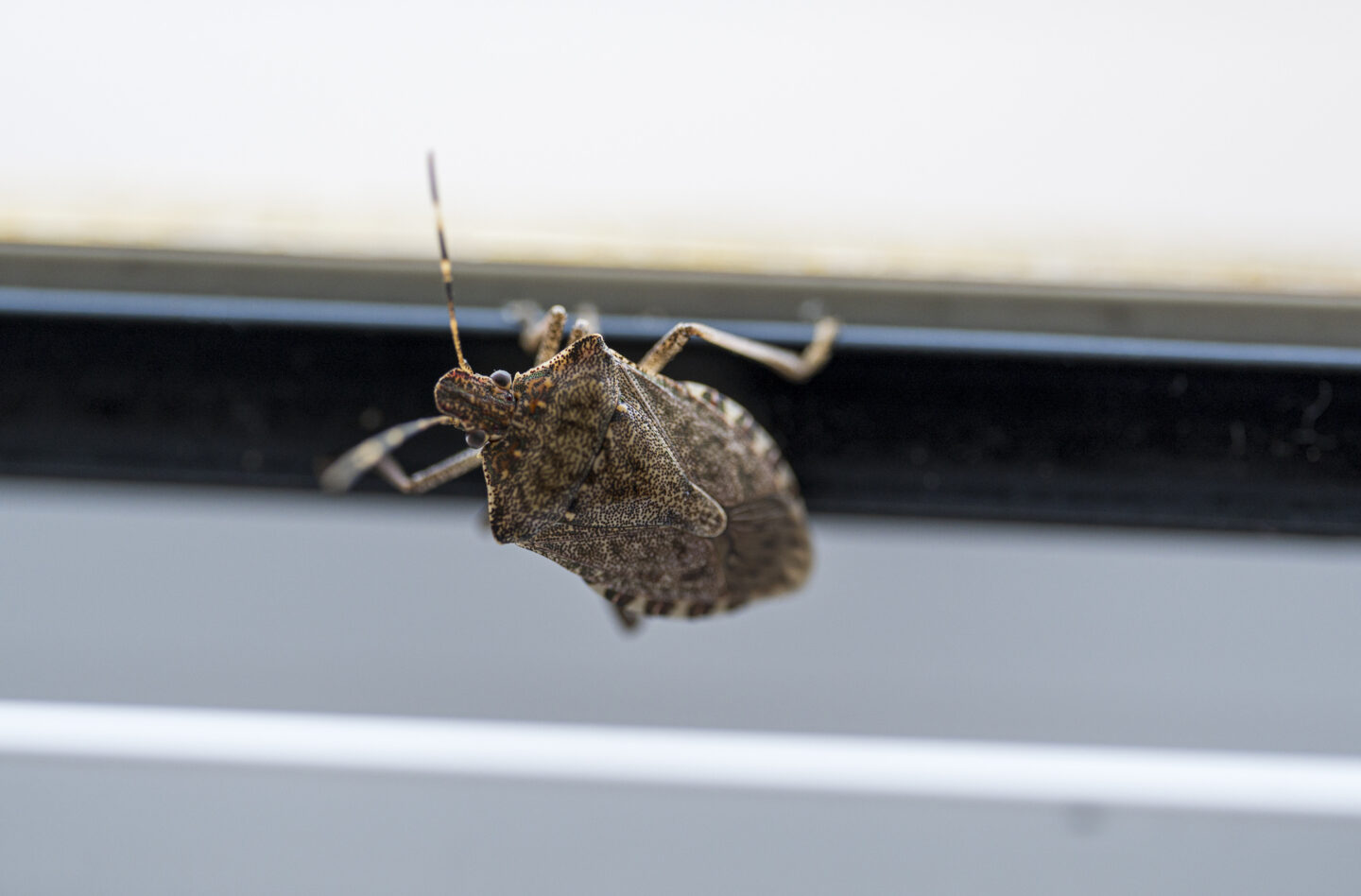
Stink bugs are one of the most common overwintering pests that homeowners notice. In fall, they enter homes through small exterior gaps and settle into wall voids or attics to overwinter. When winter temperatures fluctuate or sunlight/heat warms the home, stink bugs may “wake up” and move toward light. They are commonly seen crawling on walls or resting near windows. While unpleasant and sometimes smelly when disturbed, seeing one or two during winter is usually normal and does not indicate an infestation.
Flies Near Windows in Winter
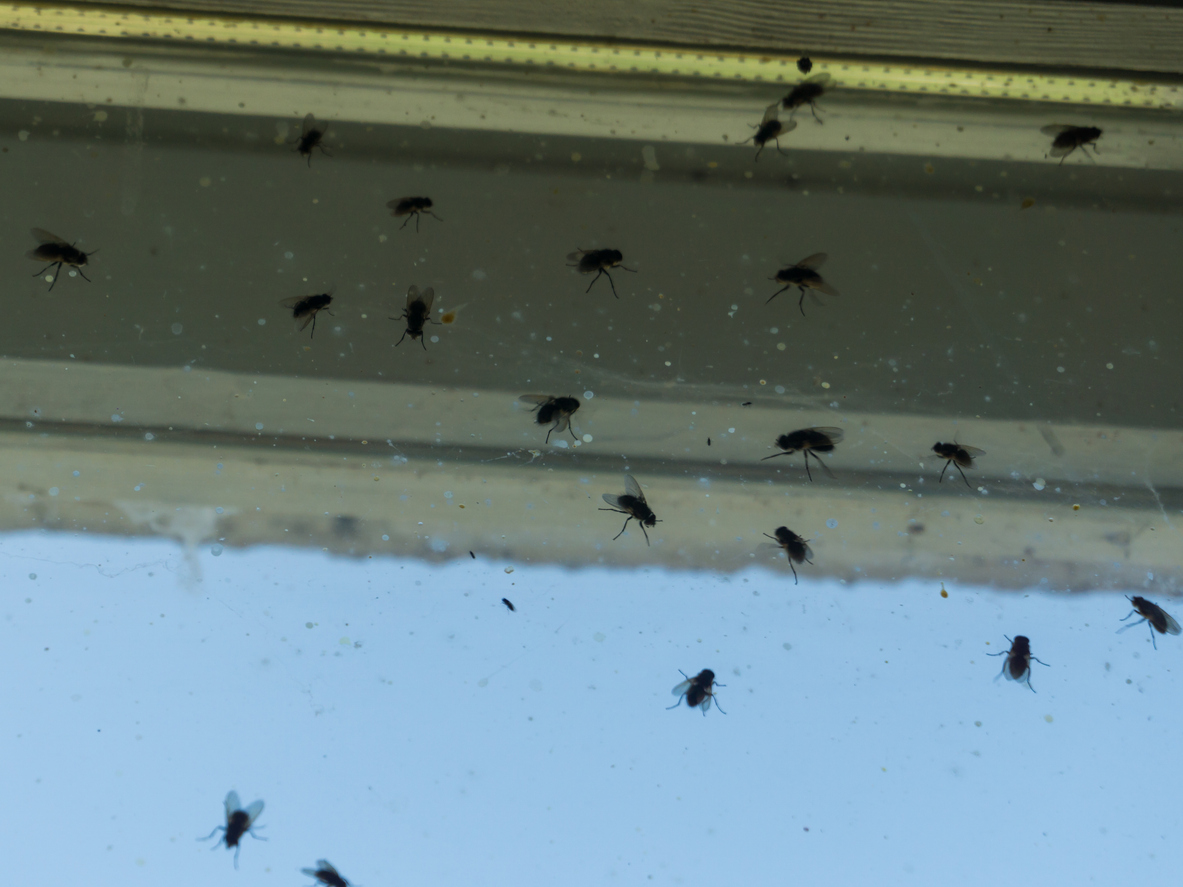
Flies seen indoors during winter are often cluster flies that entered the home months earlier. These flies hide in wall voids or attic spaces and remain inactive until warmer conditions wake them. Once active, they drift toward light sources and warmth, which is why they often appear slow moving and gather near windows.
Seeing cluster flies indoors during winter does NOT always mean there is a sanitation issue. Their presence is related to overwintering behavior, not cleanliness.
The good news: overwintering pests like stink bugs and cluster flies are more of a nuisance than a true danger. They will not feed, breed, or develop any further once they are indoors. These invaders will not chew through wood or wiring or cause any significant structural damage. However, they can:
- Stain walls, curtains, and upholstery
- Release strong defensive odors
- Gather (or die) in large, annoying numbers
- Cause mild allergic reactions
Seeing More Spiders in Winter
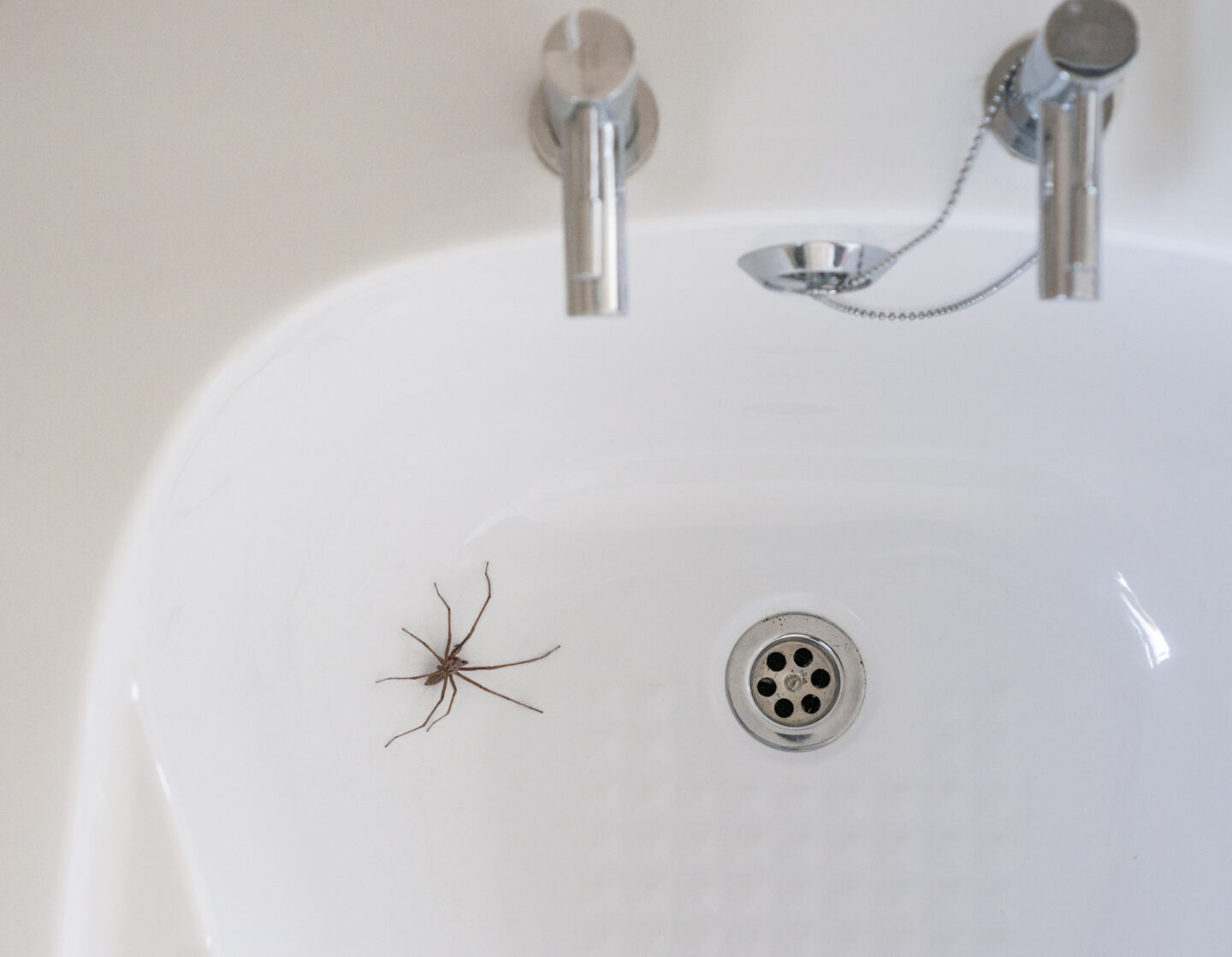
Spiders often become more noticeable in winter for a few different reasons:
- Other insects moving indoors during the winter may prompt spiders to follow their food source
- We are spending more time indoors during the colder months and may notice spiders that have been there before winter
Most spiders are harmless and help control other pests. However, an increase in spider activity often indicates that insects are present somewhere in the home even if you do not see them directly.
Rodents as a Winter Pest

Rodents can be a serious winter pest for Midwest homeowners. Cold weather drives mice and rats indoors in search of warmth and food. Rodents do not become dormant indoors. Once inside, they actively nest, reproduce, and move throughout the structure. They can damage insulation, chew wiring, contaminate surfaces, and spread disease.
Rodents are not a nuisance issue. They are a public health threat that should be addressed quickly. For more information on rodents and their health risks, check out Rose’s pest library page and rodent blog posts.
What You Can Do While It Is Still Winter
Taking action during winter can reduce pest activity and prevent future problems.
- Seal gaps around doors, windows, and utility entry points
- Reduce clutter in basements, attics, and storage areas
- Store food in sealed containers
- Vacuum any small insects you see to reduce population numbers
- Pay attention to repeat sightings or unusual sounds
Winter is one of the best times to identify pest issues before activity increases due to warmer temperatures and longer days.
Schedule a Winter Pest Inspection
Seeing pests in winter does not mean you have done anything wrong. It simply means your home is warm!
A professional inspection can help determine whether what you are seeing is a seasonal nuisance or a developing problem. Addressing winter pest activity now can prevent larger infestations later.
Schedule an inspection today and keep winter pests from becoming a spring problem.