
Protecting What Matters To You

Protect your Family and Property with a Healthy Home Pest Maintenance Program
With our year-round protection you’ll get 4 home visits per year and a pest-free home! We’re here for your health and happiness.

Keep Your Business Open With a Pest Service Plan
No matter your industry, pest control is crucial to avoid fines, maintain your reputations, and keep your doors open. We are your partners in sanitation and regulation.

Learn About Our Safe, Effective, And Sustainable Pest Management
We’ll solve your pest problem by attacking the roots, creating long-term solutions while protecting the environment and the ecosystem.
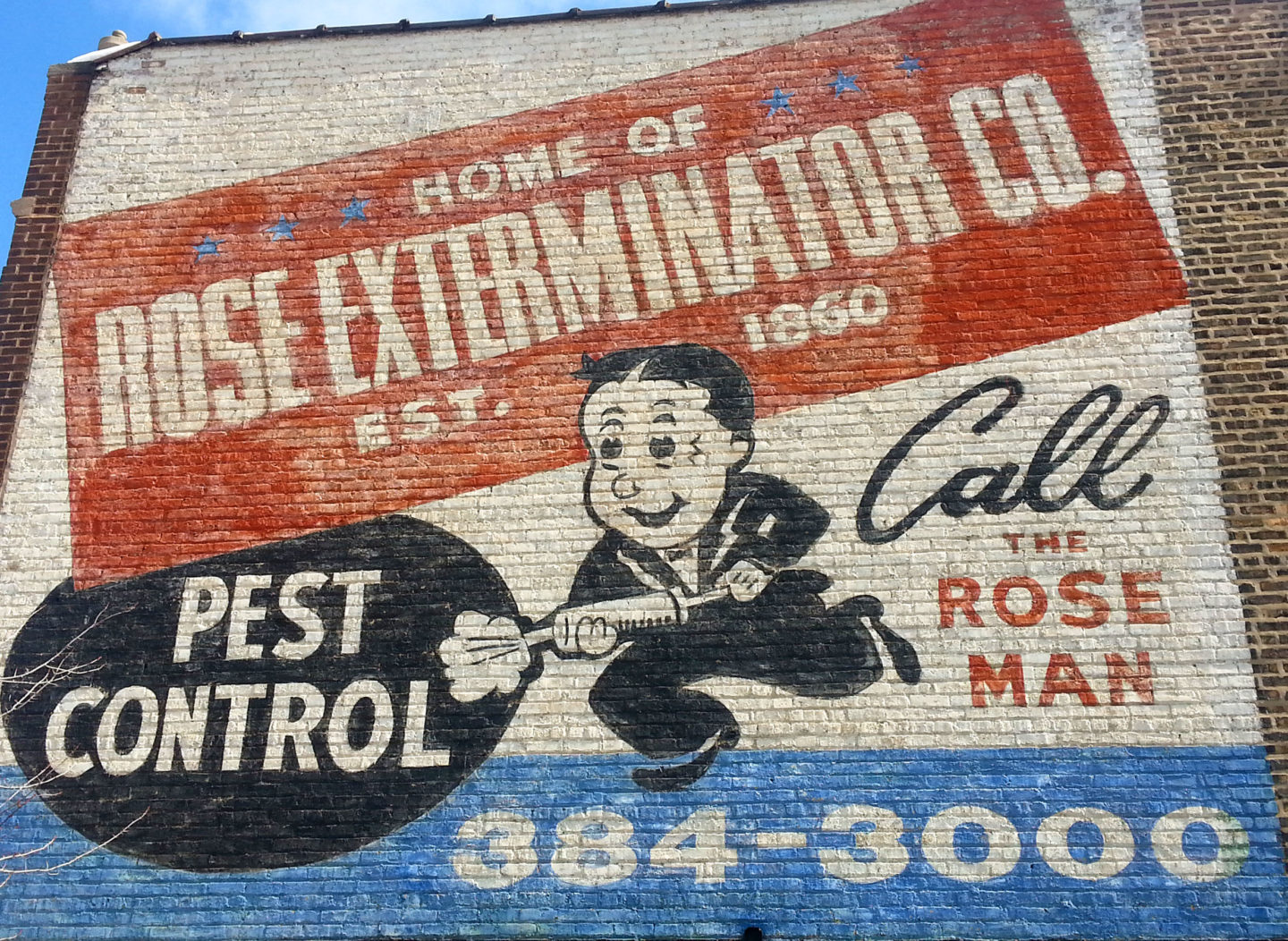
160 Years of Helping Chicago and the Midwest Live Better
Since 1860, we’ve been trusted in Chicago and the Midwest to keep homes and businesses free from insects, rodents and more. We use cuttng-edge technology, environmentally-friendly methodology, and personalized, unique solutions. We guarantee reliable, honest, pest-control service from our customer care team and service technicians.
We’re your neighbors. We’re proud to be your partners in healthier living.
Got Pests?

Termites

Rodents
Biters

Ants

Cockroaches
Stingers
Occasional Invaders

Friendly techs, indoor and outdoor pest solutions
“Unlike the usual suspects in the exterminator department, Rose Pest Control sends the same tech every time, probably because their turn-over is small to none. You get to know your tech and he has a process for treating the indoor and outdoor area. You don’t have to follow him around and direct him.”
Maria S. | Homeowner, Chicago Suburbs
Promoting Healthier Communities
We’re committed to stronger, healthier (and more fun!) communities.
We’re part of the Chicagoland and Midwest community. We want the people in it to thrive, and our natural heritage to be protected for generations to come.
Insects are vital to our ecosystem. We have created some super fun programs to educate all walks of life about the balance between humans and nature. See what’s cool, what’s beautiful, and what’s fun (and gross!) with the Bug Squad.

RECENT BLOG POST
What is pest exclusion? How can pest exclusion solve my pest problem?
Recurring pest problems can be permanently fixed with pest exclusion. If you’re tired of mice getting in when the weather starts to get cold every year, or you have ongoing issues with bats or birds, maybe it’s time to consider a permanent solution once and for all….
Associations, Memberships and Affiliations
Our deep history and leadership in the pest control industry demonstrates our passion for science, environmental health and our commitment to our customers. Licensed by the Department of Public Health and the Department of Agriculture, we’re the most experienced pest management professionals in the Midwest. Our job is to protect your health and use science to balance humans vs. nature.


You’ve got a pest problem. We’ve got your pest solution.
Whether you’ve got wasps, rodents, spiders (or you name it), we can assist with your pest problem. We can even provide same-day service. Drop us a line to schedule your pest control services today!

Safe For Your Family and Business
We’re licensed, trained, and certified by the Departments of Public Health and Agriculture, using safe, EPA-regulated materials, always.
Attacking Infestations at the Root
We don’t come in spraying. We evaluate the root of your problem, and recommend and enact pre-emptive measures before any chemicals are used.
Assessments Before Any Contracts
Our Customer Care Center walks you through every service, every charge, and every solution before you agree to anything. Our commitment is to you.