
Bee & Wasp Removal in Chicago, Rockford, Milwaukee, Beloit, and Janesville
Few things derail a customer’s experience faster than a buzzing wasp circling their lunch table. For business owners, a stinging insect problem can hurt your reputation, create liability risks, and make employees and guests feel unsafe. Commercial pest control is not just about eliminating a nuisance—it is about protecting your business. This guide covers everything you need to know about commercial bee and wasp removal, including how to tell bees and wasps apart, why professional treatment matters, and what to expect from a commercial service.

Bee vs. Wasp: Knowing the Difference
Before calling our pest control company, it helps to know what you are dealing with. Bees and wasps look similar, but they behave very differently.
Bees:
- Typically rounder and fuzzier in appearance
- Generally non-aggressive unless provoked or protecting a hive
- Play a critical role in pollination and are often protected species
- Build waxy honeycomb nests, usually in wall voids or roof spaces
Wasps:
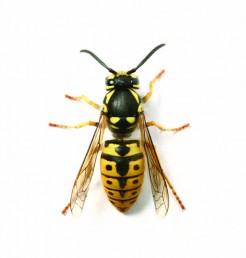
- Slender, smooth-bodied, and often brightly colored
- More aggressive and capable of stinging multiple times
- Build paper-like nests under eaves, in wall cavities, or underground
- Attracted to raw meat, sugary drinks, beer, and garbage areas
For commercial properties, wasps tend to pose the greater risk due to their aggressive nature and proximity to food service areas. That said, both require prompt attention from a licensed pest control professional.
 Why Commercial Properties Are at Greater Risk
 Why Commercial Properties Are at Greater Risk
Restaurants, cafes, hotels, schools, and retail spaces all share one thing in common: they generate consistent food waste and foot traffic. These conditions make commercial properties especially attractive to stinging insects. Bees may nest inside structural gaps in buildings, while wasps are commonly found near outdoor dining areas, dumpsters, and loading docks. Left untreated, a small nest can grow into a large infestation within a single season.
The Risks of Ignoring the Problem
Delaying treatment creates compounding problems for businesses:
- Health and Safety Liability: Customers and employees can suffer allergic reactions to stings, which may result in medical emergencies or legal claims.
- Reputational Damage: A visible pest problem can drive customers away and generate negative reviews.
- Structural Damage: Some bee species, like carpenter bees, burrow into wood and cause long-term structural harm.
- Recurring Infestations: Nests left in place, even after the insects are gone, can attract new colonies the following season.
What Commercial Bee and Wasp Removal Involves
Professional commercial pest control goes beyond simply spraying a nest. A thorough service typically includes an inspection to identify nest locations, entry points, and contributing factors. From there, a licensed technician develops a treatment plan suited to your property type and the severity of the infestation.
Common Commercial Services
A reputable provider will offer a range of treatment options, such as:
- One-Time Nest Removal: Targeted treatment to eliminate an active nest
- Stinging Insect Prevention Treatments: Barrier applications that deter bees from nesting on structures
- Wasp Removal: Seasonal treatments tailored to regional pest activity
- Fly Light Trap Programs: Useful for food prep and hospitality businesses dealing with flying insects indoors
Choosing the Right Commercial Pest Control Partner
Not all pest control companies offer the same level of service. When evaluating our providers for wasp removal or bee control, look for the following:
- Licensing and Certification: Your provider should be licensed by the state Departments of Public Health and Agriculture and use only EPA-regulated materials.
- Integrated Pest Management (IPM) Approach: The best providers evaluate the root cause of an infestation before applying chemicals, reducing unnecessary pesticide use.
- Transparent Pricing: Reputable companies walk clients through every service and charge before any agreement is signed.
- Ongoing Maintenance Options: One-time treatments work for isolated issues, but recurring programs offer better long-term protection.
Take Action Before the Season Peaks
Stinging insect activity typically peaks in late summer and early fall, when colonies are at their largest and most aggressive. Scheduling a professional assessment before peak season gives your business the best chance of staying ahead of an infestation. If you have noticed increased bee or wasp activity around your property, do not wait. Contact our licensed commercial pest control provider to schedule an inspection and develop a prevention plan suited to your specific needs.