
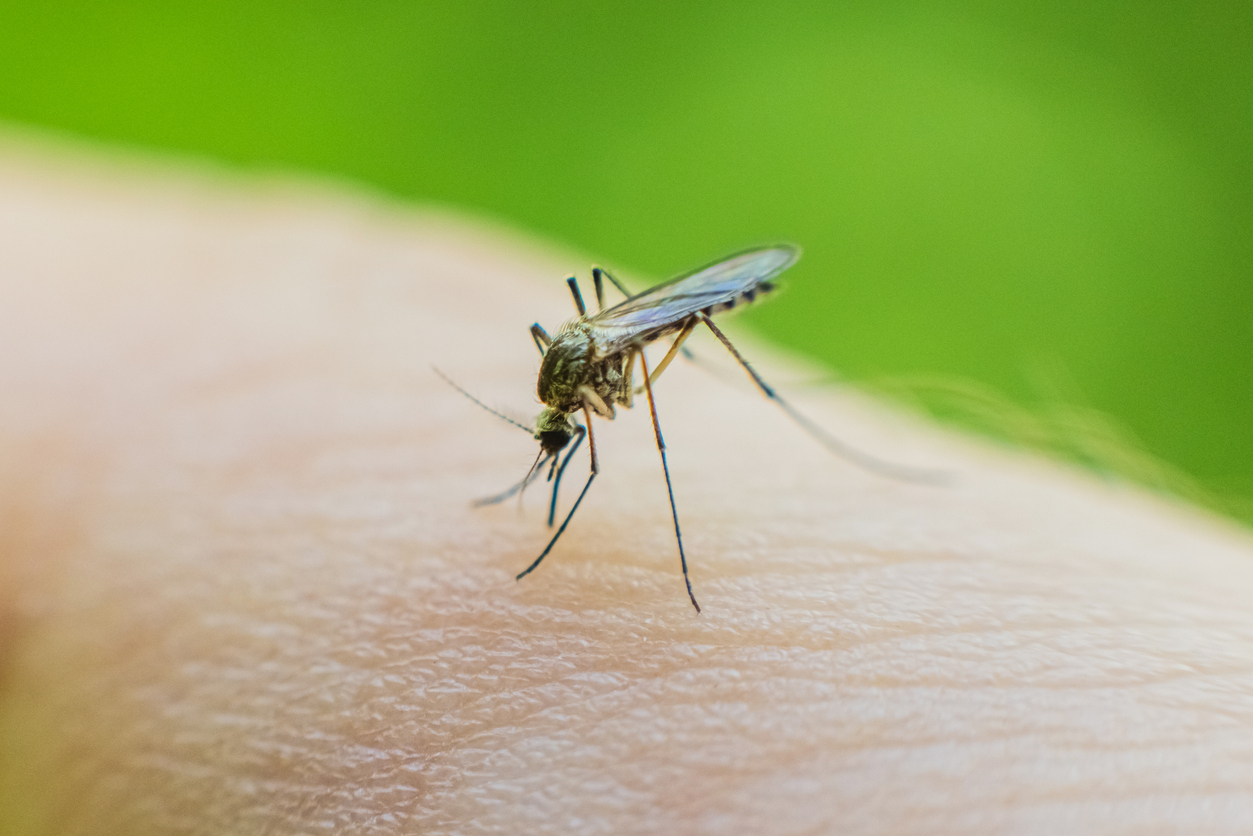
National Mosquito Control Awareness Week, observed June 21–27, helps raise awareness about mosquitoes, the diseases they can spread, and the importance of prevention. The observance was established in 1996 by the American Mosquito Control Association. Dr. Gary Clark, then president of the association, helped develop the program. Dr. Stanton E. Cope of Rose Pest Solutions also contributed as a member of AMCA’s Public Relations Committee.

National Mosquito Control Awareness Week was established by the American Mosquito Control Association in 1996.
Today, Dr. Cope continues to educate homeowners about mosquito biology, mosquito-borne diseases, and practical ways to reduce mosquito activity around homes and businesses.
To understand why mosquito prevention matters, it helps to understand the mosquito itself.
What is a Mosquito?
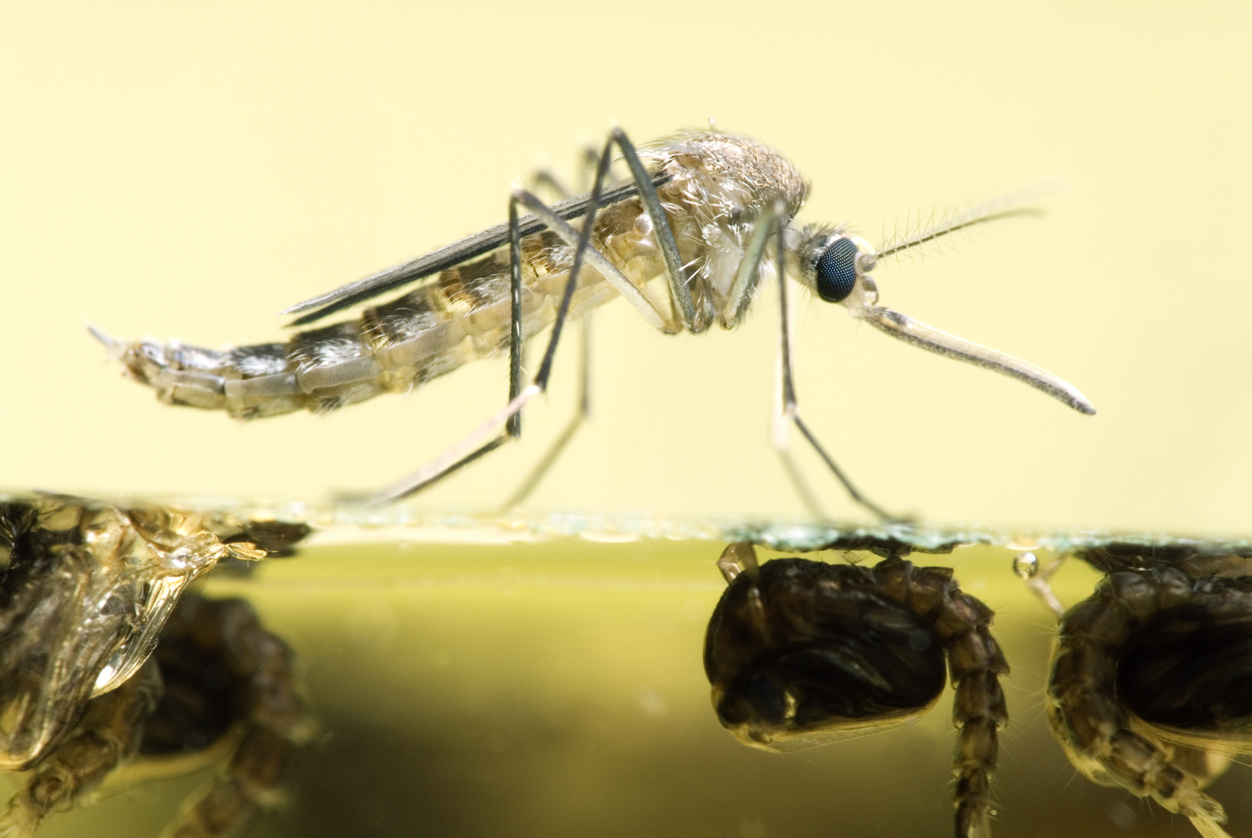
Known for red bumps and itching that just won’t stop, mosquitoes are small, flying insects. Only the female mosquito bites because she needs blood in order to produce eggs. The eggs are laid in stagnant water. Mosquitoes are disease vectors that transmit pathogens like West Nile, malaria, dengue, and Zika.
Rose is proud to help keep mosquitoes away from people and pets and even has its own world renowned culicidologist to help keep mosquitoes at bay.
We’ll never get rid of mosquitoes – it’s estimated that there are more than one quadrillion mosquitoes alive on planet Earth at any one time. That’s 15 zeroes – 1,000,000,000,000,000. That’s a lot of mosquitoes. The best people can do is to prevent breeding grounds, know what clothes to wear and to wear the right kind of repellent. And work with Rose to reduce your risk with a customized seasonal mosquito program.
What is a Culicidologist?

Dr. Stan Cope
Culicidologist: Noun; an entomologist who specializes in mosquitoes. The word comes from the Latin root “culex” which means “midge” or “gnat”.
Rose’s culicidologist, Dr. Stan Cope, has many nicknames just like the mosquito does. He is known in the industry as Captain Stan the Mosquito Man. He also goes by Dr. Stan, Dr. Cope or just “Hey You” to some. (He has a good sense of humor). Dr. Stan helped write the pest industry’s “mosquito bible” after serving in the United States Navy as a medical entomologist for more than 23 years. He ultimately served as director of the Armed Forces Pest Management Board as well as director of pest management in Washington D.C. where he had oversight of all aspects of pest management for the Department of Defense.
Cope’s service in the U.S. Navy helped keep U.S. forces safe from pests, just like our 16th president, Abraham Lincoln, did when he hired our founder, Solomon Rose, to keep soldiers in the Union Army safe from rats and lice in their tent camps during the Civil War.
Cope says one of the most important things to remember is that mosquitoes can transmit viruses and viruses such as West Nile are unpredictable. These viruses are present in our service are every year but we can stay vigilant to help prevent their spread.
Dr. Cope’s decades of experience studying mosquitoes have reinforced one important fact: mosquitoes are more than just a nuisance. They can also play a role in public health, which makes understanding mosquito facts and fiction more important than ever.
Common Mosquito Myths
Mosquitoes have been around for millions of years, but misinformation about them is still everywhere. Let’s separate a few common myths from the facts.
Mosquito-repelling plants are a good investment.
There is no scientific evidence that these plants significantly reduce mosquito activity. Even if they did repel mosquitoes, the insects would simply move to another part of your yard.
Eating certain foods or vitamins will keep mosquitoes away.
Garlic doesn’t work. Vitamins don’t work. Mosquitoes locate hosts using hundreds of chemical cues produced by our bodies, not by whether we ate a particular food.
Citronella candles and tiki torches keep mosquitoes away.
Americans spend millions of dollars each year on mosquito-repelling candles. Unfortunately, these products provide little meaningful protection from mosquito bites.
Bug zappers kill lots of mosquitoes.
Most insects killed by bug zappers are harmless or beneficial species. Research shows that only about 1–6% of the insects caught are mosquitoes.
Mosquito-repelling wristbands provide good protection.
These wristbands are often marketed as an easy solution, but studies have shown they provide little to no protection from mosquito bites.
Bats control mosquitoes.
Bats do eat mosquitoes, but mosquitoes make up less than 1% of a bat’s natural diet. They should not be relied upon for mosquito control.
Now that we’ve cleared up some common misconceptions, let’s look at what actually works to prevent mosquito bites and mosquito-borne diseases.
What Really Works to Prevent Mosquito Bites?
Only female mosquitoes bite, and they do so because they need the protein found in blood to produce eggs. After a single blood meal, one mosquito can lay hundreds of eggs.
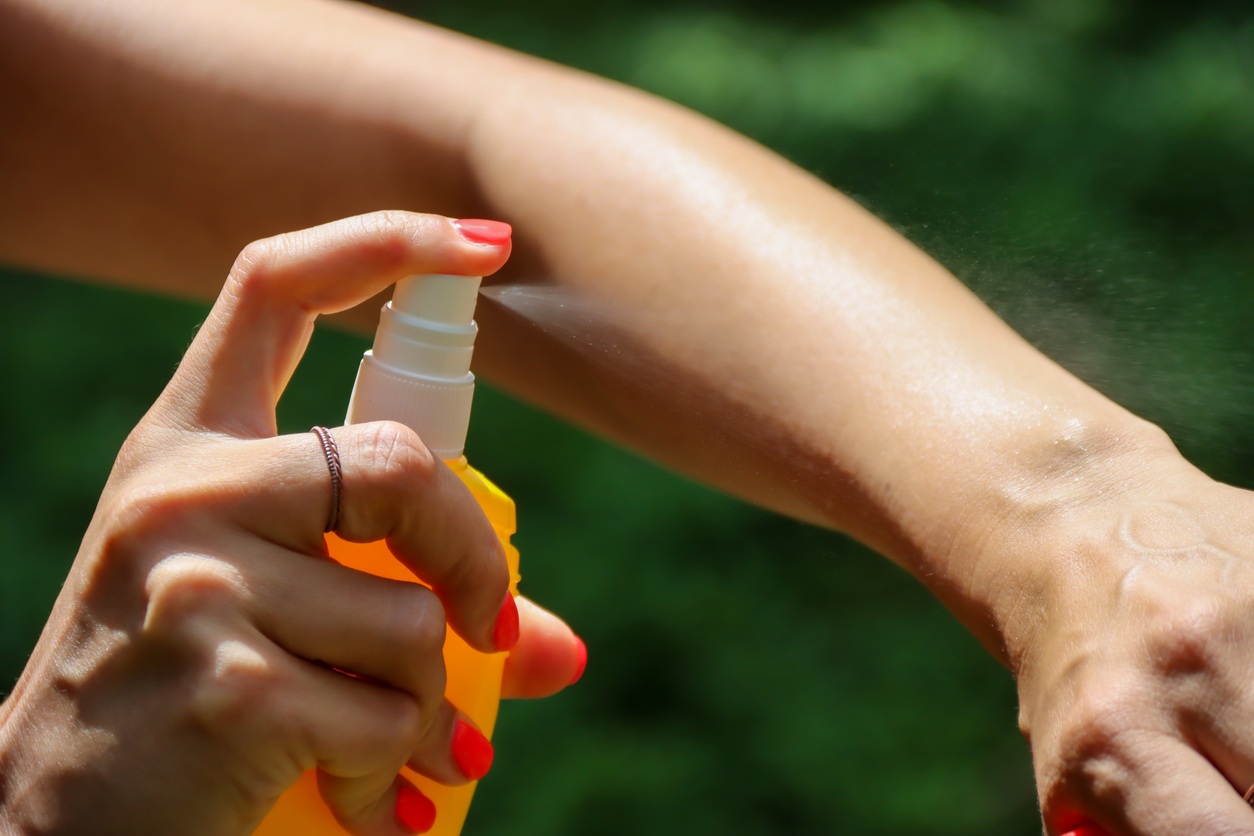
The most effective way to prevent bites is to use an insect repellent containing an active ingredient approved by the U.S. Environmental Protection Agency (EPA). Common EPA-approved active ingredients include DEET, picaridin, IR3535, and oil of lemon eucalyptus.
According to the Centers for Disease Control and Prevention (CDC), EPA-registered insect repellents are safe and effective when used according to the label directions.
Repellent Tips from Dr. Stan
- Choose a repellent with an EPA-approved active ingredient.
- If using DEET, select a product containing 25% DEET or less.
- Apply repellent according to the label instructions.
- Don’t forget areas below the waist, especially ankles and feet.
- Reapply as directed, particularly during extended outdoor activities.
- Pack repellent when traveling, especially to areas where mosquito-borne diseases are more common.
Why Mosquitoes Matter to Public Health
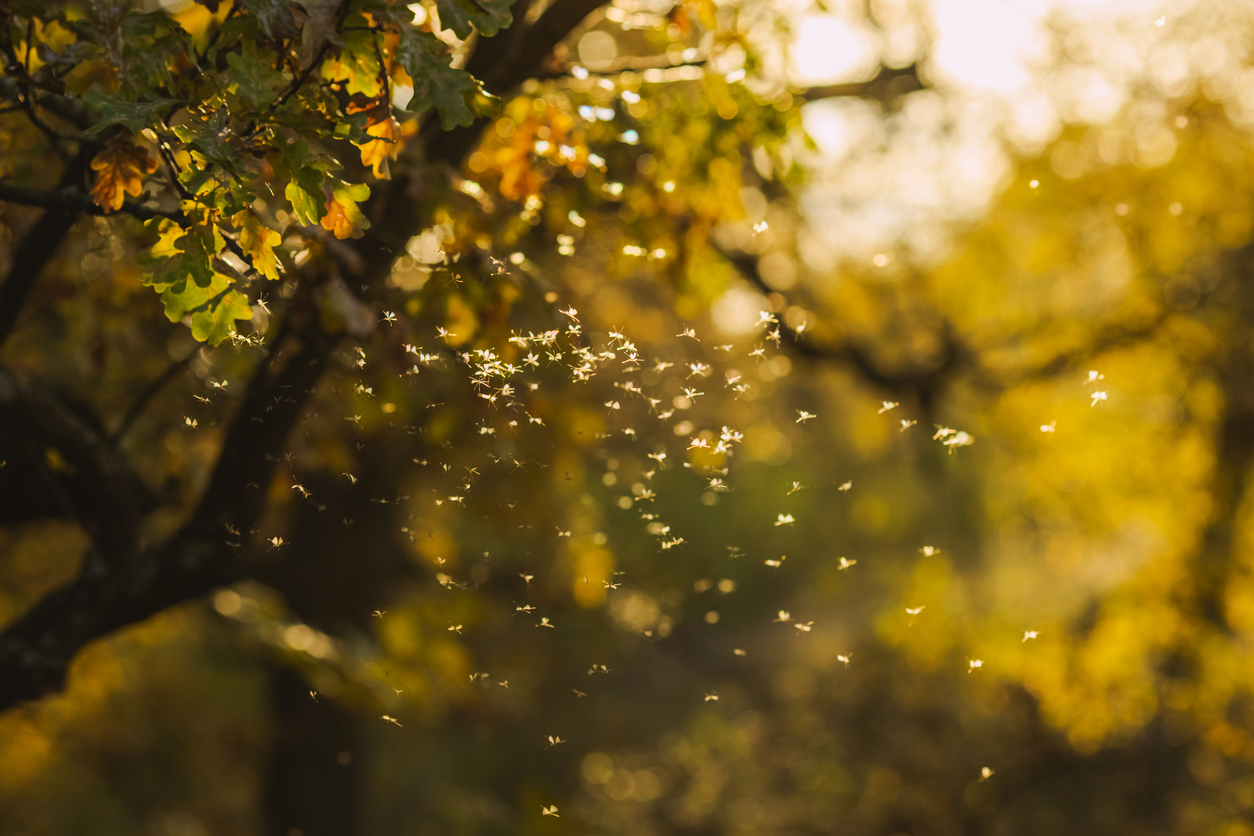
Mosquitoes are more than a summertime nuisance. When they feed on blood, they can transmit viruses that cause illness, disability, and in some cases, death.
In the Midwest, West Nile virus is the most common mosquito-borne disease. However, it is not the only one. Mosquitoes can also transmit viruses such as Eastern equine encephalitis, La Crosse encephalitis, Jamestown Canyon virus, and St. Louis encephalitis. Although rare, Western equine encephalitis has also been detected in parts of the United States.
The good news is that using EPA-approved repellents, avoiding mosquito bites, and reducing mosquito breeding sites around your property can significantly lower your risk of exposure to mosquito-borne diseases.
Even when mosquitoes are not carrying disease, their bites can be irritating. Mosquito bites often leave behind itchy, red bumps that may last for several days. Excessive scratching, especially in children, can break the skin and increase the risk of infection.
To help reduce itching, apply an anti-itch cream according to the product label or use a cold compress or ice pack. If symptoms worsen or do not improve, contact your healthcare provider.
What Every Homeowner Should Remember

Mosquitoes have been around for millions of years, and they’re not going away anytime soon. While many products and home remedies promise quick results, the best protection comes from understanding mosquito behavior, eliminating breeding sites, using EPA-approved repellents correctly, and taking steps to reduce mosquito activity around your property.
National Mosquito Control Awareness Week serves as an important reminder that mosquitoes are more than a nuisance. They can impact public health, quality of life, and outdoor enjoyment. By separating myths from facts and following proven prevention strategies, homeowners can take meaningful steps to protect themselves, their families, and their pets throughout mosquito season.
To help homeowners enjoy their outdoor spaces with fewer mosquitoes, Rose Pest Solutions is offering $75 off any new Healthy Home Maintenance Program + Mosquito Services package. To redeem this offer, call 1-800-GOT-PESTS? and mention the code words “mosquito blog.”
For more mosquito prevention tips or to schedule a free assessment, contact the mosquito experts at Rose Pest Solutions today.