
Pavement Ant
Our remedy for pavement ant control in Chicagoland, the Greater Rockford region and Southern Wisconsin
First, contact us. Individual pavement ant colonies can often be controlled using ant baits, but perimeter inspection and treatment are usually necessary for long-term pavement ant control. Pavement ant colonies are controlled by direct treatment of nests in the soil.
The pavement ant, along with dozens of other common household pests are all covered under our Healthy Home Maintenance Program.
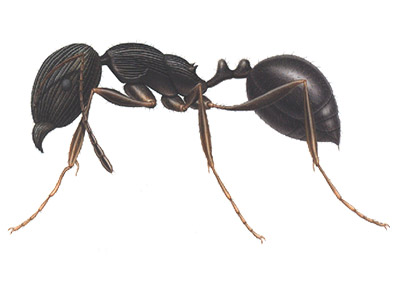
How to Identify an Pavement Ant
Appearance
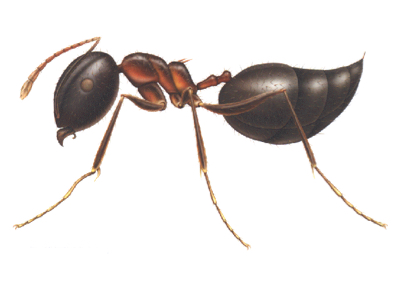
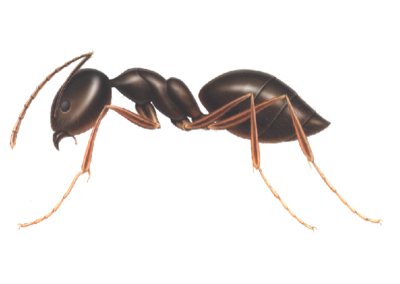
Dark brown to black in color; very small, about 1/8″ long. These ants have two protrusions, often called nodes, in the constricted region of their waist, called a pedicel.
Habitat
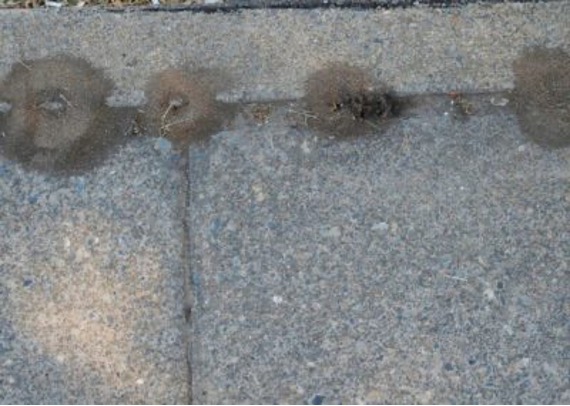
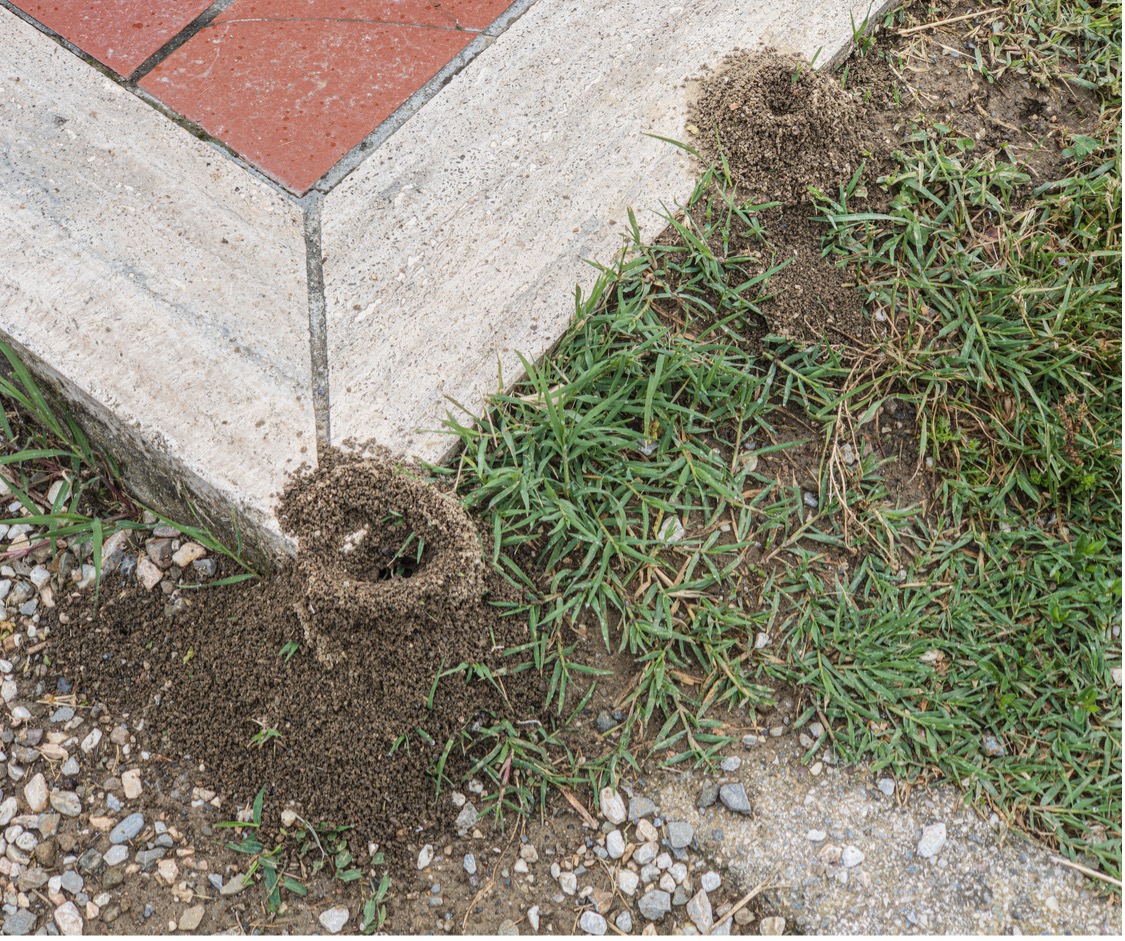
Pavement ants get their name because they will very commonly make their nests in or under cracks in sidewalks, driveways, and other structures made of pavement, as well as under other objects. Indoors, they might nest in walls, insulation, under floors, or under the foundations of homes. These types of ants are also known to nest in stone masonry that might be around the lower areas of a home.
Diet
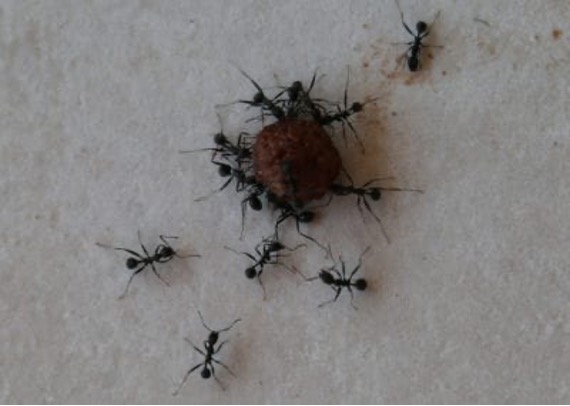
Pavement ants are opportunistic feeders that will “swarm” on foods that appear within their foraging range. They might feed on sugary substances (including sugary foods humans eat, as well as plant sap or honeydew), meats, nuts, cheese, grease or pet food. They can be seen foraging for food inside or outside a structure in trails.
Additional Imagery

Is This Your Critter?
Maybe it is, maybe it isn’t. We can handle the identification and get you a solution to your problem quickly.
Get a remedy now. Send a message!
FAQs About Pavement Ants
What Is a Pavement Ant?
Pavement ants are pest ants that get their name from their tendency to nest within or beneath cracks in pavement. These dark ants can become nuisance pests both indoors and outdoors around a structure.
What About Preventing Pavement Ant Infestations?
Pests like pavement ants are drawn to moisture, necessitating the elimination of standing water around the premises for effective prevention. Trimming tree branches and other vegetation away from the house can deter ants from utilizing these natural bridges to gain entry. Additionally, sealing cracks and openings around the house perimeter is crucial. Storing firewood and building materials away from the structure is advised, as pavement ants exhibit a preference for nesting in wood stacks. Indoors, maintaining cleanliness by promptly cleaning up spills and crumbs on kitchen surfaces aids in prevention efforts.
What Are the Habits of Pavement Ants?
These versatile ants display a broad dietary spectrum, consuming insects, seeds, honeydew, bread, meats, nuts, and cheese. Pavement ants establish foraging trails spanning distances of up to 30 feet. They are adept climbers, scaling masonry walls to access inhabited areas.
Describe a Common Pavement Ant Habitat?
Within buildings, pavement ants primarily inhabit ground-level masonry walls but can also nest in walls, insulation, and beneath floors. Outdoors they favor nesting beneath stones, within pavement cracks, and adjacent to structures.
What Threats Are Posed by Pavement Ants?
While pavement ants do not pose significant public health risks, they can contaminate food sources and should be avoided. If pavement ants are detected on the property, consulting with ant pest control specialists is recommended.
How Should I Address Pavement Ant Infestations?
Suspecting a pavement ant infestation necessitates prompt action by engaging a licensed pest control professional. Through a comprehensive inspection, the extent of the infestation can be determined, enabling the implementation of appropriate control measures.
What Are the Signs of a Pavement Ant Infestation?
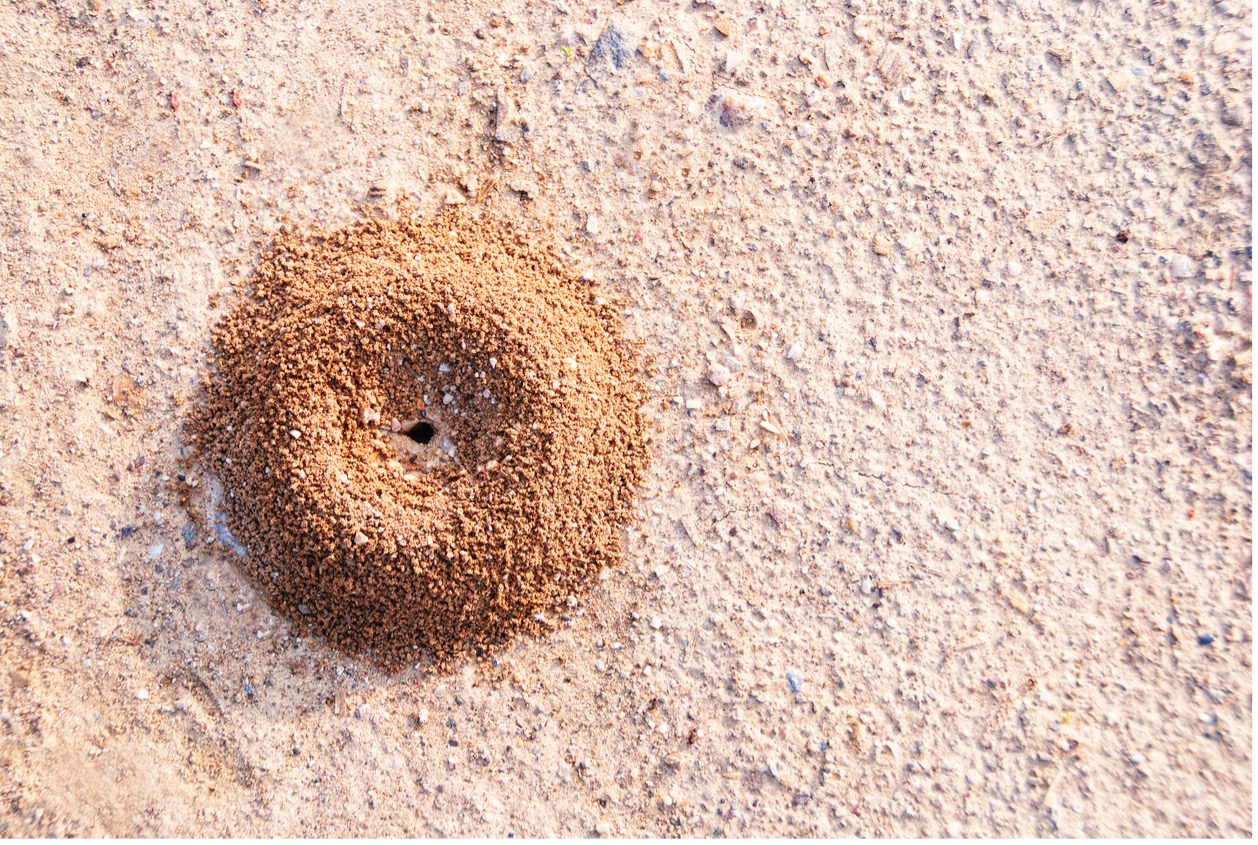
Detecting a pavement ant infestation typically involves observing small piles of dirt or sand in pavement cracks, the visible presence of foraging ants inside or around your property, and locating their distinctive nests, often found beneath floors, within walls, or in insulation.
How Quickly Can a Pavement Ant Infestation Spread?
Pavement ant colonies can increase rapidly, especially during warmer months. A single colony may house thousands of ants. Because these colonies can split to form new colonies, an infestation can spread quickly across a property if not addressed promptly.
Can Pavement Ants Cause Structural Damage to Homes?
While pavement ants are not known to cause significant structural damage like termites, they can weaken structures by hollowing out areas for nesting. Over time, large numbers of ants digging beneath foundations, pavements, or within walls can lead to minor structural issues.
What Are the Most Effective DIY Solutions for Pavement Ant Control?
Keep areas clean of food debris, seal entry points to prevent access, and keep gutters flowing freely to allow proper drainage on your property. Severe infestations may require professional treatment.
When Is the Best Time to Call a Professional for Pavement Ants?
If you notice large, overwhelming numbers of ants inside your home or significant activity around the building, it is advisable to call a professional. Pest control experts can offer more effective and long-term solutions to eradicate pavement ant infestations.
What Should I Expect from Professional Pavement Ant Treatment?
Professional treatment typically starts with a thorough inspection to identify nesting sites and the extent of the infestation. The pest control professional may use baits, non-repellent insecticides, or a combination of treatments to eliminate the ants while adhering to IPM guidelines. Follow-up visits might be necessary to ensure the infestation is completely eradicated.
Can You Service My Home?


Excellent service, thoughtful and careful
“Excellent service. They are thoughtful and careful with their care. I’ve been using them for 3 summer now and highly recommend them. Before hiring them, I tried to take care of the ants myself – consumer grade products didn’t do anything. I struggled for months – then I called Rose and they were gone right away..”
Bob S. | Homeowner in Wheeling
You’ve got a pest problem. We’ve got your pest solution.
Whether you’ve got wasps, rodents, spiders (or you name it), we can assist with your pest problem. We can even provide same-day service. Drop us a line to schedule your pest control services today!

Safe For Your Family and Business
We’re licensed, trained, and certified by the Departments of Public Health and Agriculture, using EPA-regulated materials, always.
Attacking Infestations at the Root
We don’t come in spraying. We evaluate the root of your problem, and recommend and enact pre-emptive measures before any chemicals are used.
Assessments Before Any Contracts
Our Customer Care Center walks you through every service, every charge, and every solution before you agree to anything. Our commitment is to you.