
Written by: Allison Beach, BCE-Intern for Rose Pest Solutions
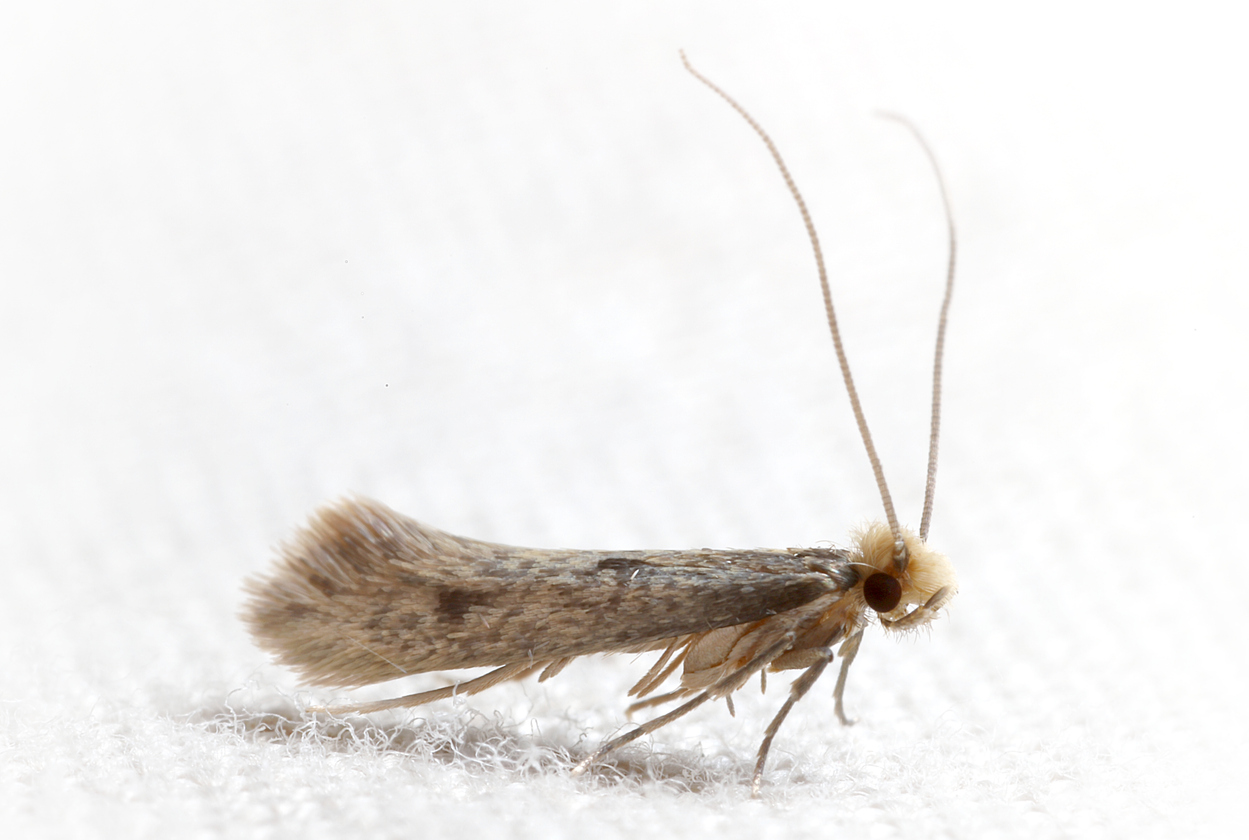
Mothballs have been used for decades as a quick fix for insect problems, especially when it comes to protecting stored clothing. But do mothballs work to keep bugs away, or is their reputation a bit overstated? The answer is more complicated than you might expect.
Do Mothballs Work to Keep Bugs Away?
Understanding what mothballs are, how they function, and their potential risks can help you decide if they are a good solution for clothing or fabric pest issues.
Mothball FAQs
Q: What are mothballs, really?
A: Mothballs are pesticides in the form of solid, sometimes colorful balls that are commonly made from two chemicals; naphthalene or paradichlorobenzene. These chemicals slowly turn from a solid ball into an airborne gas, a process called sublimation.
The strong odor you notice coming from mothballs is not just unpleasant, it is sublimated chemical vapor depositing into the air. This vapor can kill certain insects, but only under very specific conditions.
Q: How Do Mothballs Work to Keep Bugs Away?
A: In short, mothballs are only effective in sealed, tightly-contained environments and against a narrow range of pests.
Mothballs are pesticides regulated by the Environmental Protection Agency (EPA) with a label directing proper use. According to its label, mothballs should be used to control fiber-feeding moths (like clothes moths) and other fiber-feeding insects.
Mothballs help control these fiber pests when used in sealed, airtight containers like garment bags or storage bins. In open spaces such as closets, basements, attics, or garages, mothballs are far less effective. The vapor disperses too quickly to reach pest killing levels, meaning insects are often unaffected.
Mothballs DO NOT repel common household pests like ants, spiders, roaches, mice, or stink bugs. Using them against their label directions for general pest control is not only ineffective and illegal, it can also be dangerous.
The Hidden Risks of Using Mothballs
Many homeowners are surprised to learn that mothballs are regulated pesticides, not household air fresheners or repellents. When used inconsistently with their label, mothballs can expose humans and pets to dangerous chemicals.
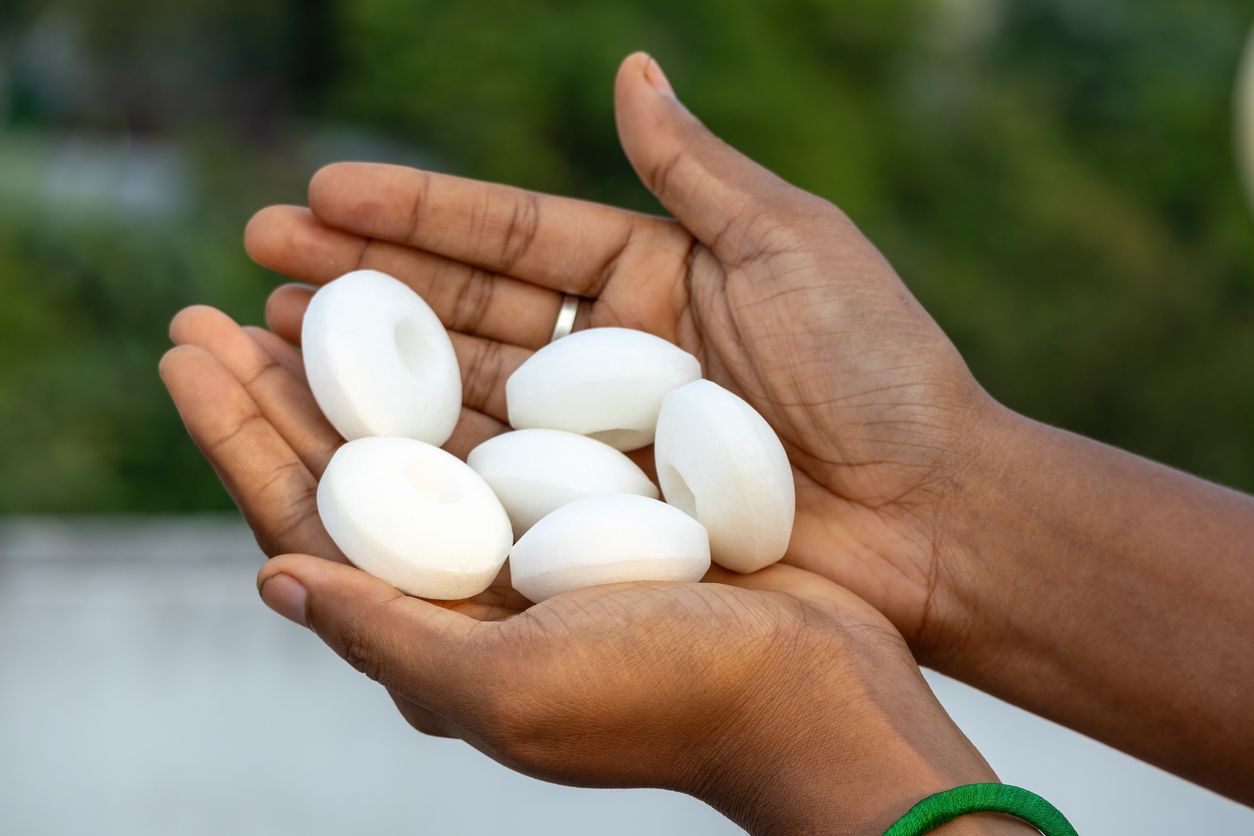
Potential risks include:
- Toxic fumes that can cause headaches, dizziness, nausea, or respiratory irritation (if you smell mothballs, you are being exposed to these fumes). Keeping mothballs in exposed, open areas allows these gasses to escape.
- Increased risk for children and pets due to accidental exposure. Mothballs can sometimes come in bright colors, being mistaken for candy or toys.
- Mothballs should also NOT be used outdoors or in public buildings.
Using mothballs outside of sealed containers can expose people and pets to unnecessary health risks without providing real pest control benefits.
Q: Are Mothballs Okay to Use As a Long-Term Pest Solution?
A: Even though mothballs, when used correctly, can help with fabric pest issues, they do not address the root cause of pest activity. If insects are present, it usually means there is a food source, moisture issue, or entry point allowing them inside.
Relying on mothballs may temporarily mask a problem while allowing infestations to grow unnoticed. For example, the presence of clothing moths often indicates improper storage or existing fabric damage, while other insects may point to structural or sanitation concerns.
Rose’s free pest inspections are thorough, and service professionals are dedicated to finding the root cause of your pest issues, the key to staying pest-free.
Safer Alternatives to Mothballs
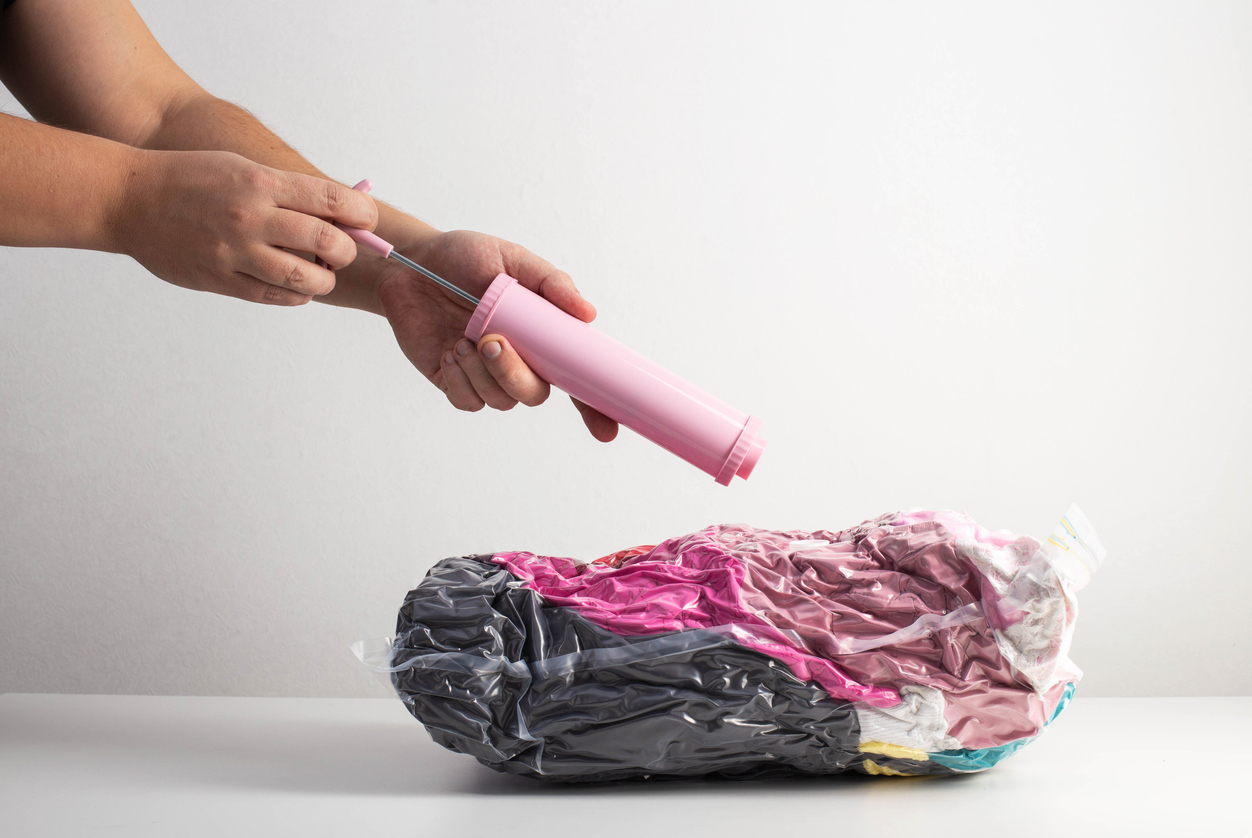
If your goal is to protect clothing from clothes moths or prevent fabric pests, here are some safer and more effective options:
- Wash or dry clean items before storage
- Use airtight storage containers or vacuum sealed bags
- Keep storage areas clean and dry
For general pest prevention:
- Seal cracks and gaps around doors, windows, and foundations
- Reduce clutter where insects can hide
- Address moisture issues around your structure, especially in basements and crawlspaces
These steps help prevent pests without introducing potentially harmful chemicals into your living space.
Q: When is it Time to Call a Professional?
A: If you are dealing with recurring insect problems or suspect an infestation, professional pest control is the safest way to receive accurate identification and targeted treatment. A trained service professional at Rose will determine what pests are present and recommend solutions that actually work without unnecessary exposure to potentially toxic substances. Service professionals at Rose also recommend prevention measures tailored to your structure to help keep pests out.
The Bottom Line
So, do mothballs work to keep bugs away? Only in tightly controlled situations with limited target insects. They are NOT effective for general pest control and can pose health risks when misused. For most homes, prevention, proper storage, and professional pest management that targets insect issues at their source are far better solutions than relying on mothballs.