
Yellowjacket Control in Chicagoland, the Greater Rockford Region and Southern Wisconsin
Yellowjackets are among the most aggressive stinging insects homeowners encounter throughout Chicagoland, the Greater Rockford region, and Southern Wisconsin. Unlike honey bees, yellowjackets can sting multiple times and will aggressively defend their nests when disturbed. They are especially active during late summer and early fall when colonies reach their peak size and begin searching for food around outdoor gatherings, garbage areas, and landscaping.
If you’ve noticed increased yellowjacket activity around your home, deck, patio, or yard, the pest professionals at Rose Pest Solutions can help identify nesting sites and provide effective yellowjacket control solutions.
What Are Yellowjackets?
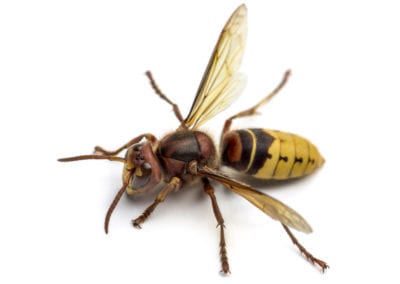
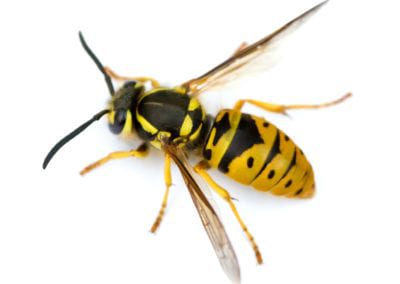
Yellowjackets are social wasps that live in large colonies. Most species found in the Midwest have distinctive black and yellow markings and a smooth, shiny appearance. Unlike honey bees, yellowjackets do not lose their stinger after attacking and can sting repeatedly.
A mature yellowjacket colony may contain hundreds or even thousands of workers by late summer. Because they aggressively defend their nests, yellowjackets can become a serious safety concern for families, pets, and anyone with insect sting allergies.
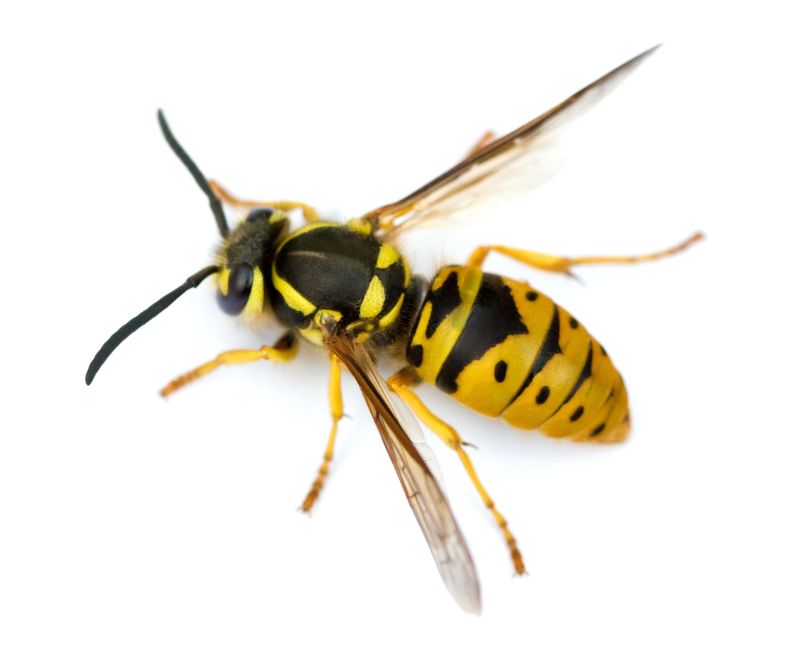
How to Identify Yellowjackets
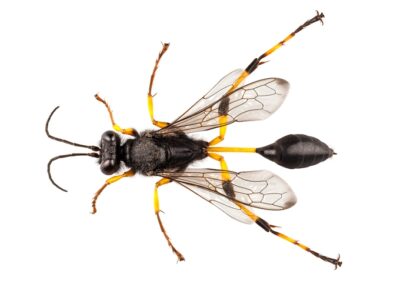
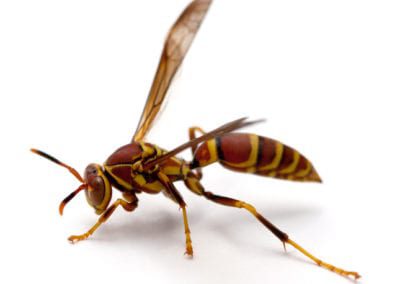
Yellowjackets are often confused with honey bees and paper wasps.
Here are a few identifying characteristics:
- Black and bright yellow striped body
- Smooth body with very little hair
- Narrow waist between the body segments
- Approximately ½ inch long
- Rapid, direct flight pattern
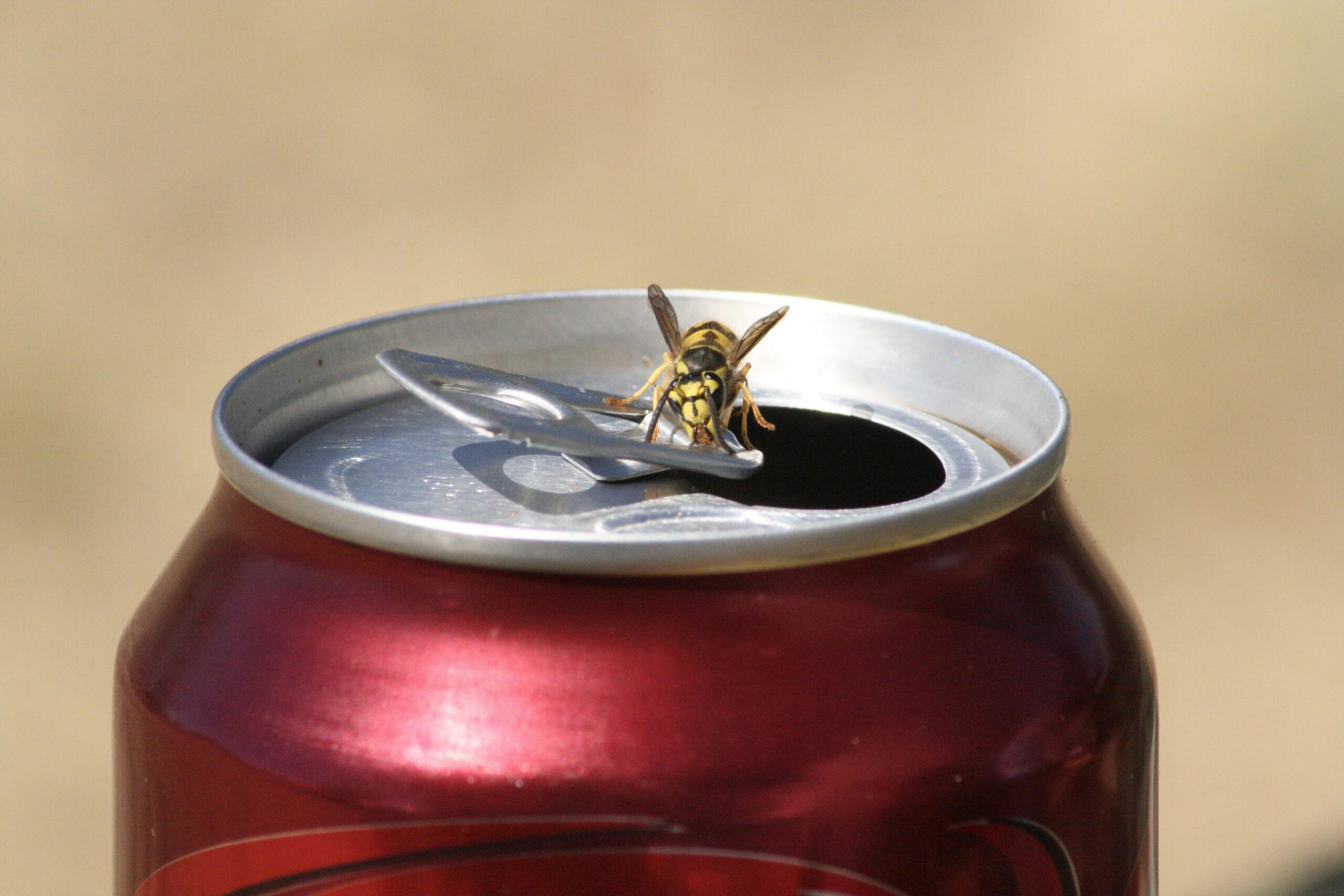
- Frequently seen around food, garbage cans, and sugary drinks
Unlike honey bees, yellowjackets can be scavengers and commonly feed on human food during outdoor activities.
Where Do Yellowjackets Nest?
Many yellowjacket species build nests underground, often utilizing abandoned rodent burrows or voids beneath landscaping. Others may nest inside wall voids, attics, crawl spaces, wood piles, or dense vegetation.
Common nesting locations include:
- Underground burrows
- Landscaping beds
- Decks and porches
- Wall voids
- Attics
- Sheds and garages
- Tree hollows
Because many nests are hidden from view, homeowners often discover them only after disturbing the entrance and triggering defensive behavior.
What Do Yellowjackets Eat?
Yellowjackets are beneficial predators that feed on many nuisance insects throughout spring and early summer. However, they become increasingly attracted to human food sources later in the season.
They commonly feed on:
- Flies
- Caterpillars
- Other insects
- Meat and protein sources
- Sugary beverages
- Fruit
- Garbage
- Pet food
This is why yellowjackets frequently become a problem during cookouts, sporting events, picnics, and outdoor gatherings.
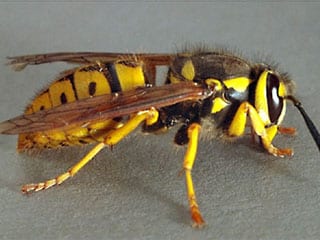
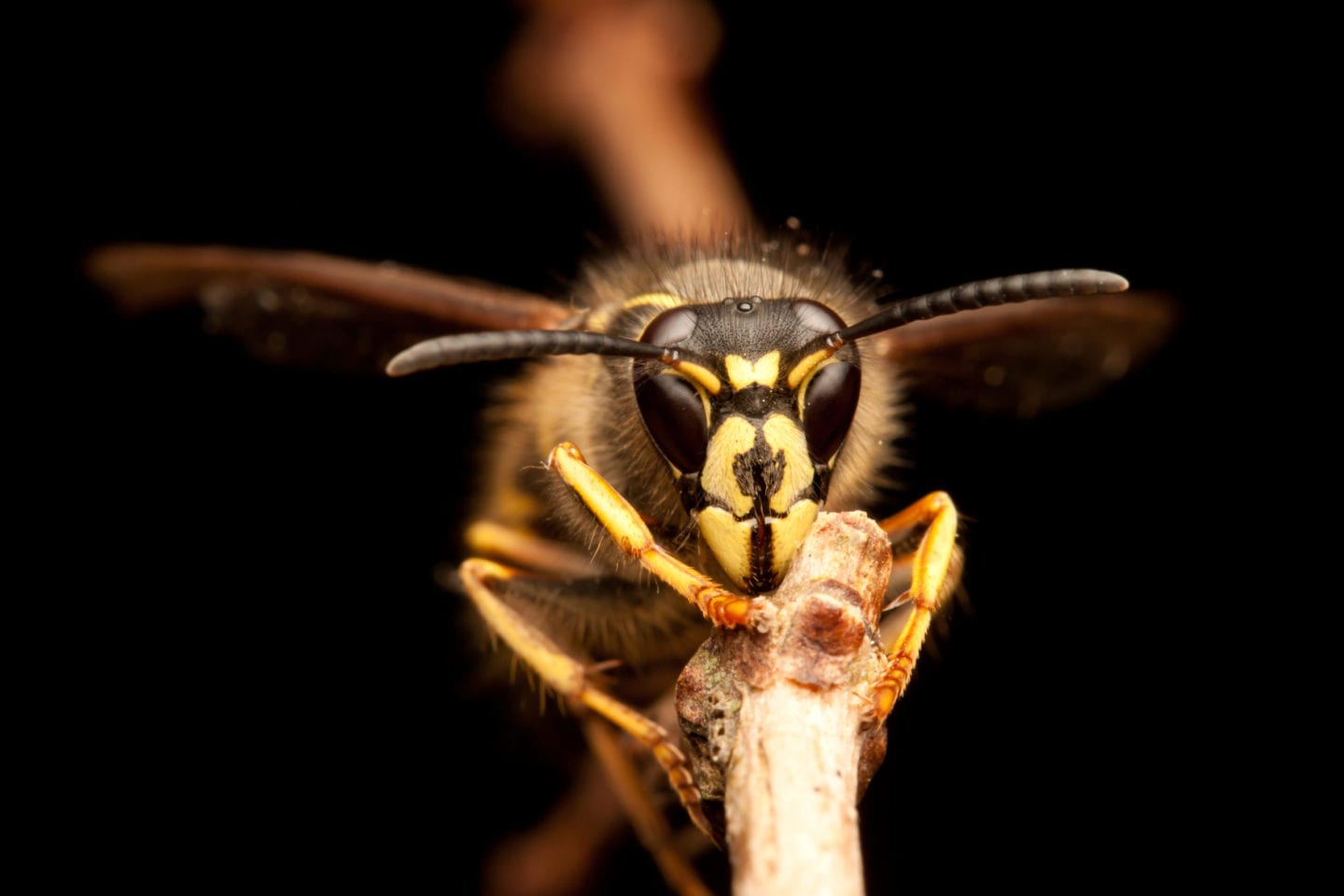
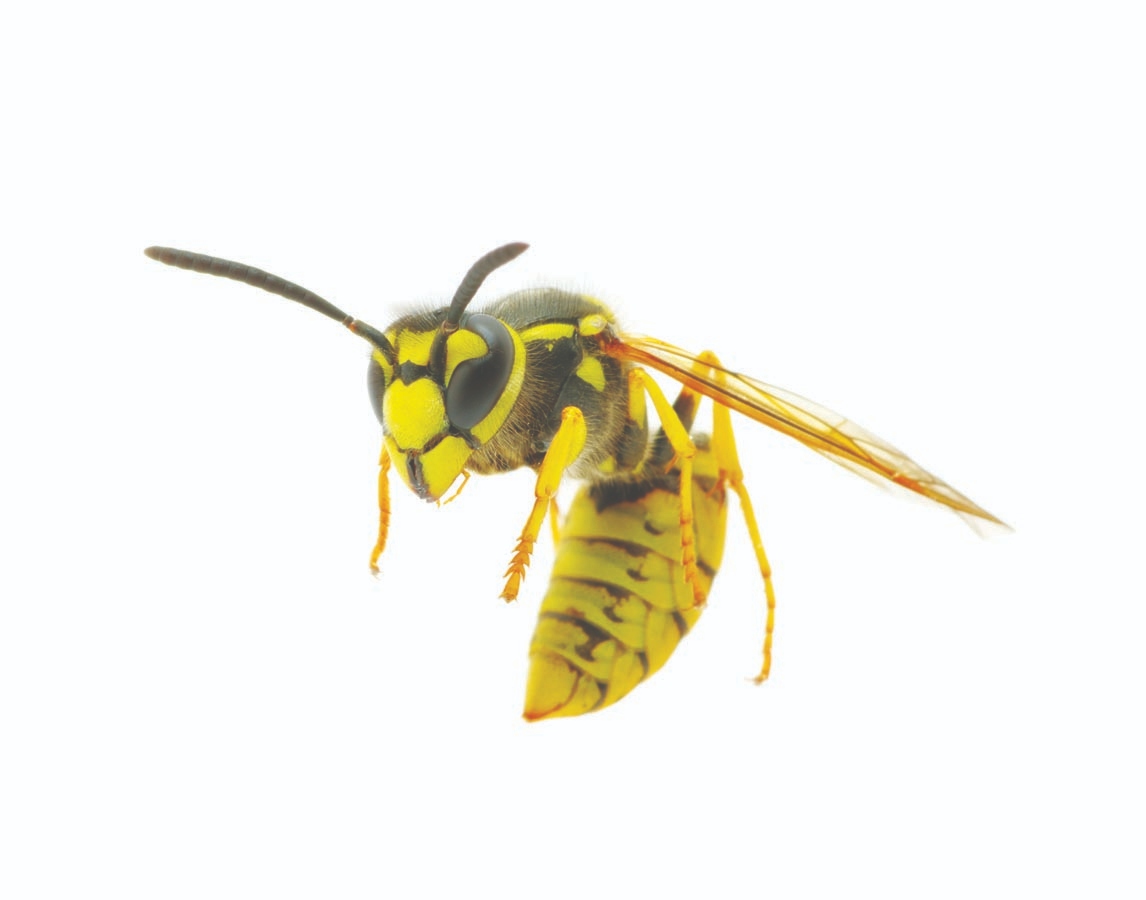
Is This Your Critter?
Maybe it is, maybe it isn’t. We can handle the identification and get you a solution to your problem quickly.
Get a remedy now. Send a message!

Signs of a Yellowjacket Infestation
You may have a yellowjacket nest on your property if you notice:
- Multiple yellowjackets entering and exiting the same hole in the ground
- Heavy wasp activity around decks, patios, or landscaping
- Increased activity around garbage cans
- Yellowjackets gathering around outdoor meals
- Buzzing sounds coming from wall voids or attic areas
If you observe concentrated activity in one location, avoid disturbing the area and contact a pest management professional.
Frequently Asked Questions About Yellowjackets
Are yellowjackets more aggressive than bees?
Yes. Yellowjackets are generally more aggressive than honey bees and can sting multiple times when defending their nest.
Do yellowjackets die after stinging?
No. Unlike honey bees, yellowjackets can sting repeatedly because they do not lose their stinger.
Are yellowjacket nests always underground?
No. While many species nest underground, others build nests in wall voids, attics, crawl spaces, trees, and other protected areas.
When are yellowjackets most active?
Yellowjacket activity typically peaks in late summer and early fall when colonies reach their maximum size.
Should I remove a yellowjacket nest myself?
DIY removal can be dangerous, especially if the nest is hidden or located near high-traffic areas. Professional treatment is often the safest option.
Can yellowjackets damage my home?
While yellowjackets do not typically cause structural damage, nests built inside walls, attics, or other voids can create nuisance and safety concerns.
What attracts yellowjackets to my yard?
Food sources such as sugary drinks, fruit, garbage, pet food, and outdoor cooking areas commonly attract yellowjackets.
How can I prevent yellowjackets around my property?
While prevention cannot guarantee complete elimination, these practices can help reduce yellowjacket activity:
- Keep outdoor trash containers tightly sealed
- Clean food spills immediately
- Remove fallen fruit from the yard
- Avoid leaving pet food outdoors
- Seal gaps around siding and utility penetrations
- Inspect your property regularly for nesting activity
- Eliminate standing food and water sources
Integrated pest management practices like the ones listed above can significantly reduce yellowjacket attractants around homes and businesses.
Schedule Professional Yellowjacket Control Today
If yellowjackets are taking over your outdoor space, don’t wait until someone gets stung.
Rose Pest Solutions has been helping homeowners protect their properties since 1860. Our experienced pest management professionals can identify nesting activity, reduce yellowjacket populations, and help you enjoy your yard with greater peace of mind.
Call 1-800-GOT-PESTS? or contact us today to schedule your inspection and get a free quote for yellowjacket control in Chicagoland, the Greater Rockford region, and Southern Wisconsin.



She explained how to fix the problem and then did it!
“Alexis from Rose pest solutions came and she was super nice and you could tell she really enjoys her job. She explained the problem and how to fix it, and then she did. We had a wasp’s nest and she took care of it like a Pro!! Thanks Alexis.”
Roberto Rangel. | Homeowner in Chicago
You’ve got a pest problem. We’ve got your pest solution.
Whether you’ve got wasps, rodents, spiders (or you name it), we can assist with your pest problem. We can even provide same-day service. Drop us a line to schedule your pest control services today!

Safe For Your Family and Business
We’re licensed, trained, and certified by the Departments of Public Health and Agriculture, using EPA-regulated materials, always.
Attacking Infestations at the Root
We don’t come in spraying. We evaluate the root of your problem, and recommend and enact pre-emptive measures before any chemicals are used.
Assessments Before Any Contracts
Our Customer Care Center walks you through every service, every charge, and every solution before you agree to anything. Our commitment is to you.