
If it feels like flies suddenly show up everywhere (even in your home) once summer arrives, you’re not imagining things!
Across the Midwest, summer creates ideal conditions for fly activity. Warm temperatures, rising humidity, summer rain, and increased outdoor activity ALL make it easier for flies to breed, feed, and eventually find their way indoors.
From backyard cookouts and overflowing trash bins to pet waste, dead animals, kitchen drains and ripening produce, summer gives flies plenty of opportunities to stick around.
While an occasional fly may seem like little more than an annoyance, persistent activity can sometimes point to hidden breeding sources, moisture issues, or sanitation concerns in or around a structure.

What Makes Summer So Attractive to Flies?
Flies thrive in warm, humid conditions, and many insects reproduce quicker when temperatures rise. In some cases, flies can develop from egg to adult in as little as a week under favorable conditions, which means populations can grow very fast during the summer months.
Several seasonal factors make Midwest homes especially appealing to flies:
- Warm temperatures can speed up fly breeding cycles
- Humid conditions further support fly survival with moisture
- Summer storms can create optimal moist conditions for fly breeding
- Outdoor meals, cookouts, and exposed food or drinks can attract flies
- Heat can intensify odors like garbage, as well as decaying plants and animals
- Increased pet activity and outdoor waste
Because flies are highly mobile opportunists, even clean, well-maintained homes can experience seasonal fly activity.
Flies are very diverse, and they are NOT all attracted to the same conditions. Identifying the type of fly you’re seeing can help narrow down what may be drawing them to your structure.
Common Flies Found in Midwest Homes
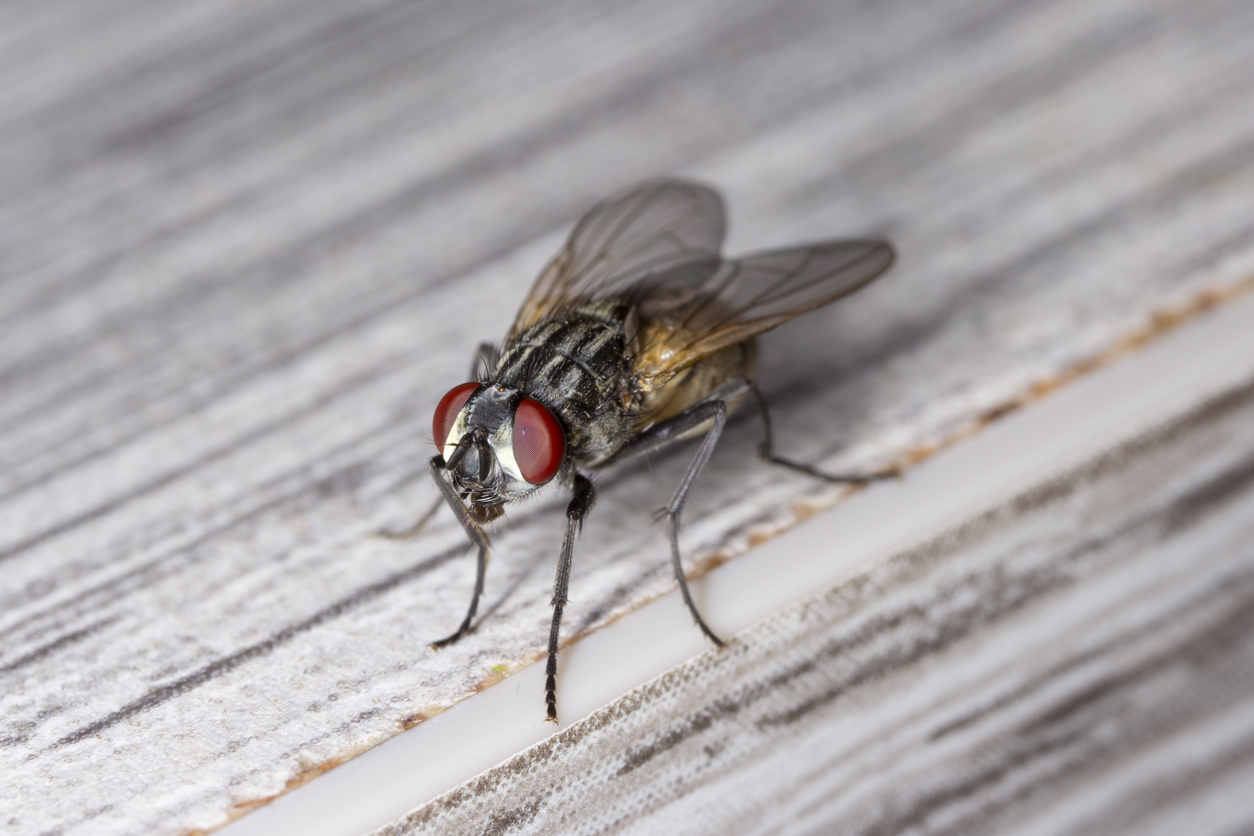
House Flies
House flies are one of the most common nuisance pests during Midwest summers.
These gray flies are attracted to food waste, garbage, pet waste, and other organic materials. As their name suggests, they can be common in homes. Because they frequently move between unsanitary surfaces and food preparation areas, house flies can be a public health concern due to their ability to mechanically transmit pathogens.
House flies are commonly attracted to:
- Kitchen trash cans and outdoor garbage bins
- Pet feeding areas
- Compost containers
- Grills and outdoor dining spaces
If you’re seeing house flies regularly indoors, there may be a nearby breeding source.
Fruit Flies
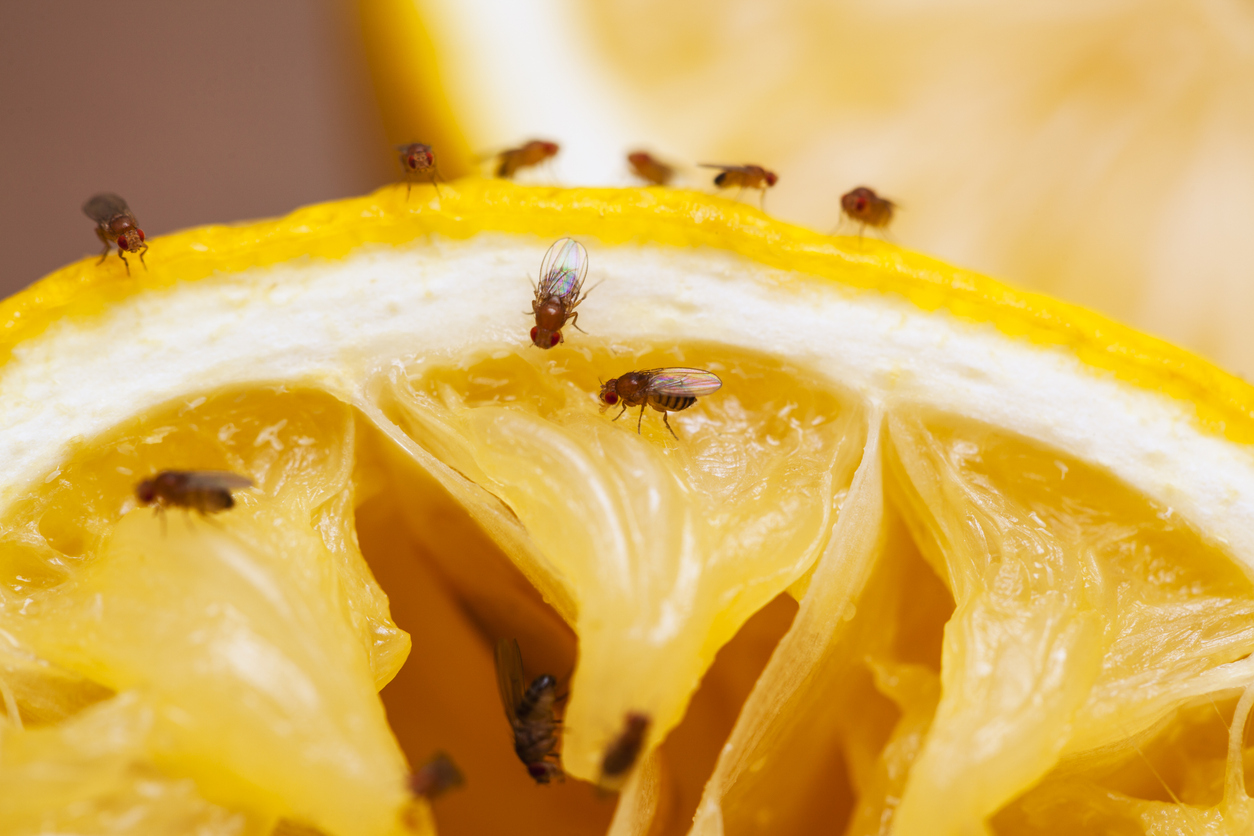
Fruit flies are much smaller than house flies and often gather near kitchens.
They are attracted to fermenting sugars and moisture, making ripe produce, spilled beverages, gunk on the bottom of garbage/recycling bins, and drain residue ideal breeding environments.
Common fruit fly attractants include:
- Ripening/fermenting fruits and vegetables
- Spills that go uncleaned (fermenting liquid can easily go unnoticed in the spaces between tiles)
- Wine glasses or other glasses with trace amount of liquid left overnight
- Sticky garbage/recycling containers
- Damp/soiled mops or cleaning cloths
Because they can reproduce in as little as a week, fruit flies seem to appear out of nowhere and can turn into an annoying infestation fast.
Drain Flies
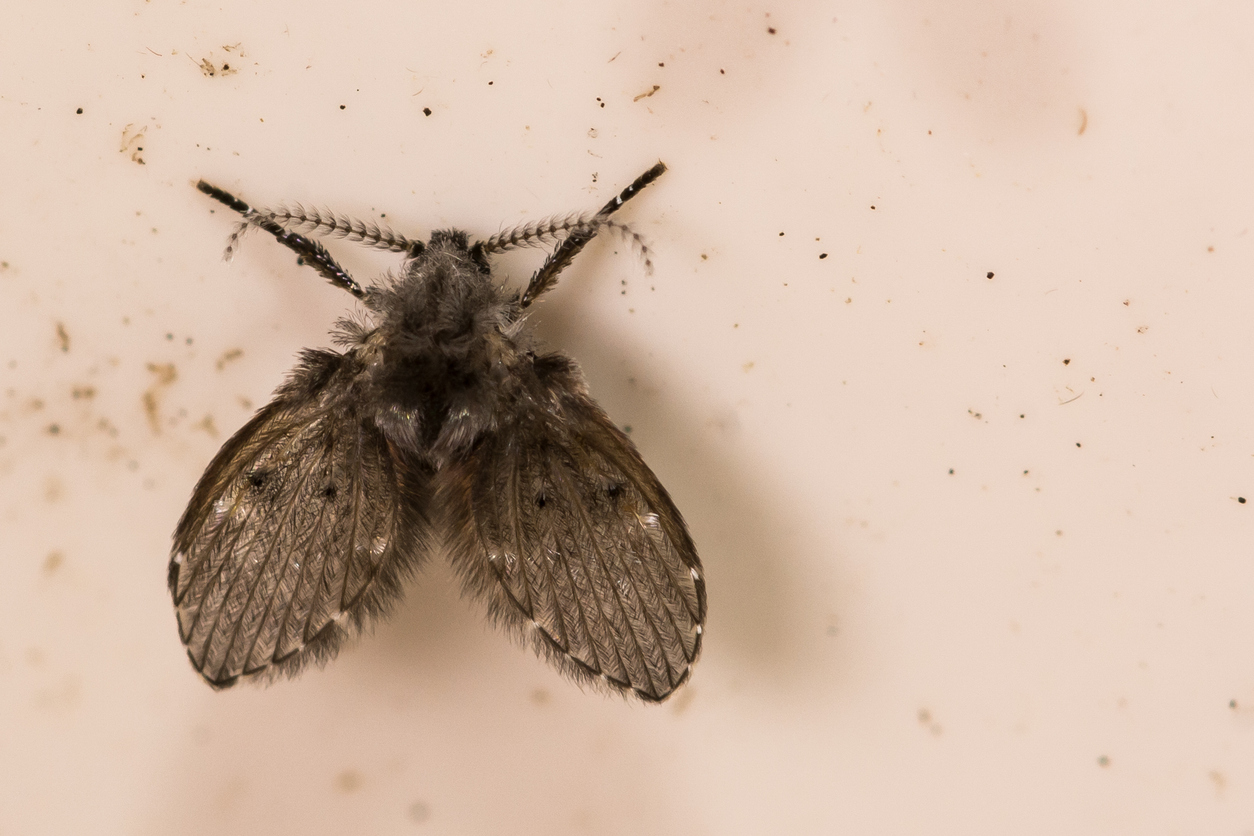
Drain flies are fuzzy, moth-like small flies often found resting near sinks, showers, toilets, laundry rooms, or basement drains. Unlike fruit flies, drain flies breed in the organic film that builds up inside pipes and drains.
They are often associated with:
- Slow-moving drains
- Floor drains
- Sinks (bathroom and utility)
- Condensation-prone plumbing areas
- Damp basements/utility areas
Blow Flies and Flesh Flies

Blow Fly
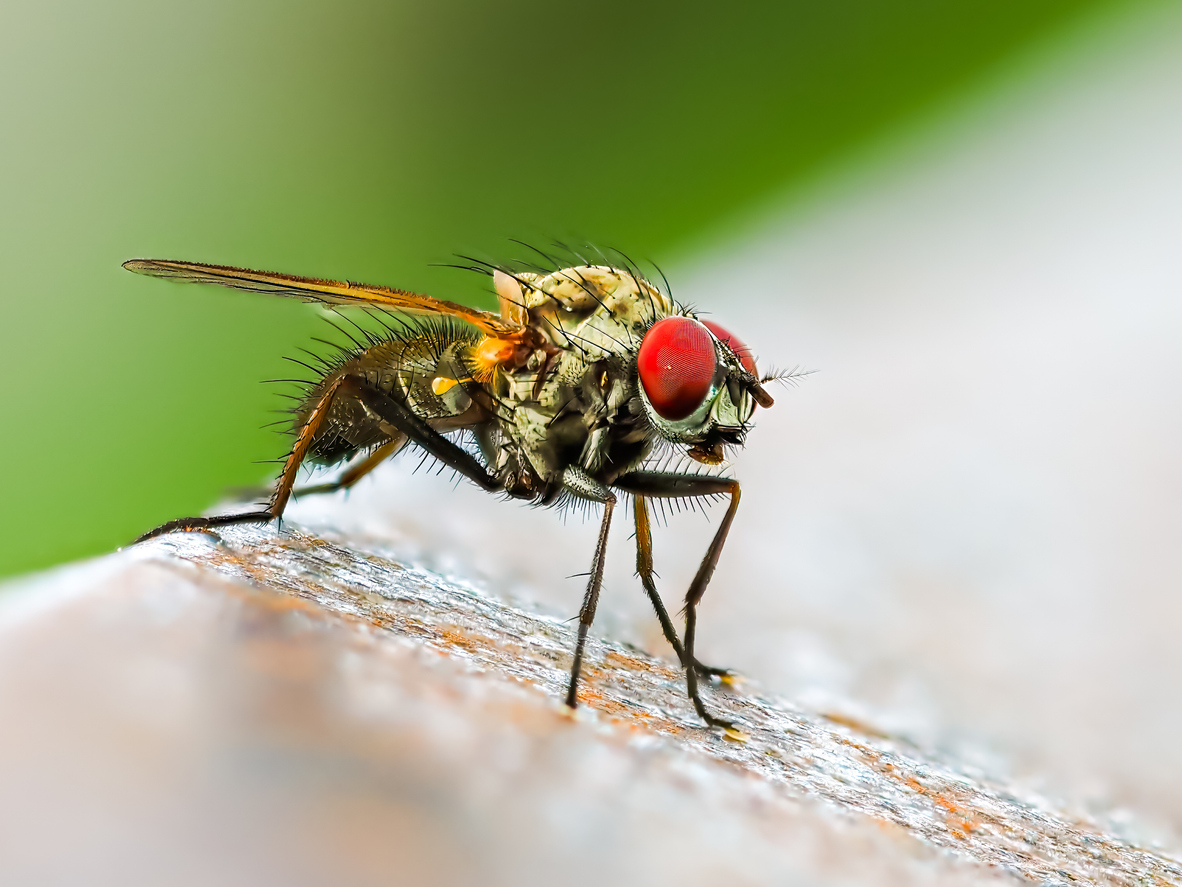
Flesh Fly
Blow flies (sometimes called bottle flies) are larger flies that may appear metallic blue, green, or black.
Flesh flies are larger and have a gray and black checkerboard pattern on their abdomen.
These flies play a crucial role in the decomposition of animal remains by using them as a food AND breeding source. Seeing one or two outdoors is not unusual during summer, but sudden indoor fly activity can signal a bigger issue and may be a sign that there are animal remains (like a dead rodent or bird) present inside a structure.
Blow flies and flesh flies are attracted to:
- Decaying animal remains
- Food waste with animal proteins (meat, fish, dairy)
- Outdoor trash or pet waste buildup
If larger flies suddenly appear indoors without an obvious cause, professional inspection may be warranted to find the cause.
Fungus Gnats

These small, black flies are very common indoor pests and are characterized by their long legs and antennae. They feed on fungus found in moist soil or other organic matter. They will also feed on decaying plant matter.
Fungus gnats are attracted to:
- Overwatered houseplants
- Moist soil/mulch
- Rotting plant roots
Fungus gnats won’t fly far from their breeding source and are commonly found in homes or offices flying or scurrying about near potted plants.
How to Help Prevent Flies Around Your Home
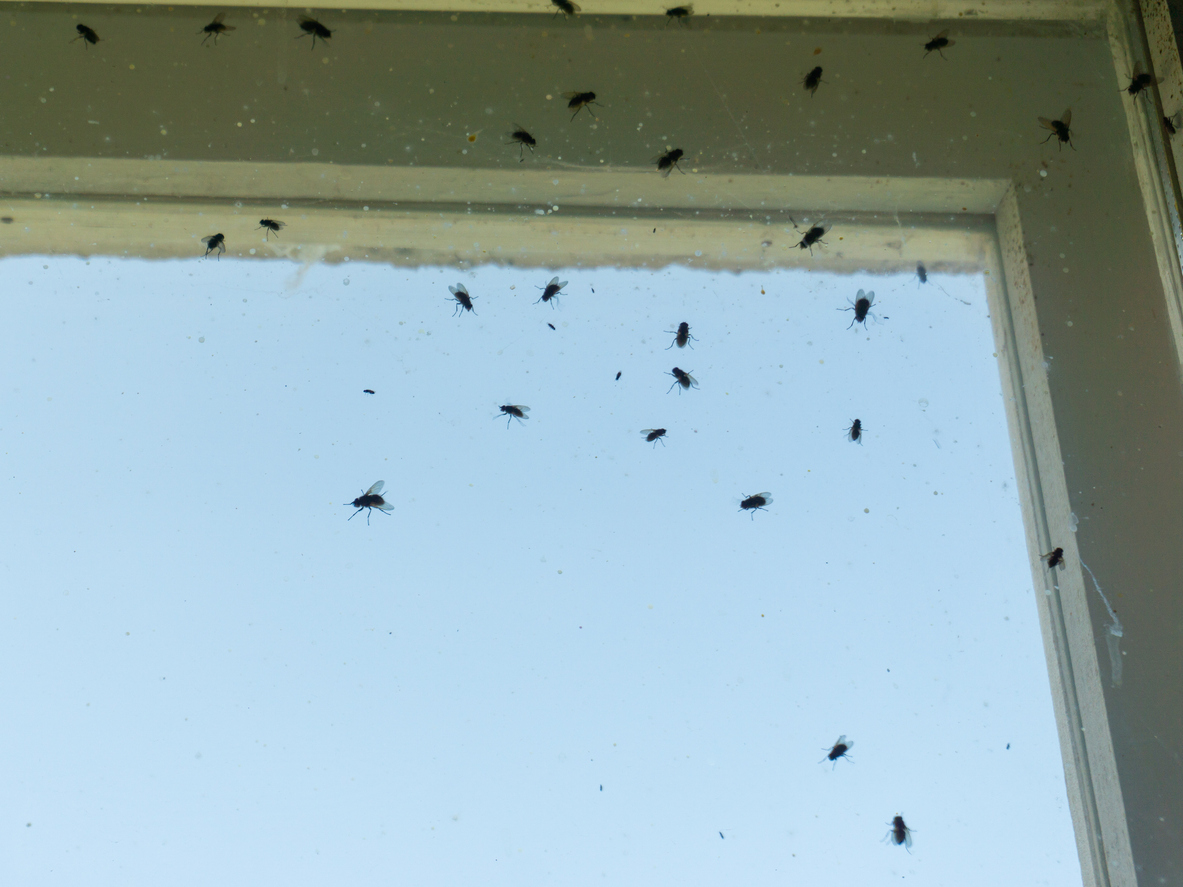
Reducing common attractants can make your property less appealing to rapidly feeding and breeding flies.
Keep Trash Sealed and Clean
Garbage is one of the biggest summer fly attractants.
To reduce fly activity:
- Use tightly sealed trash can lids and tie garbage bags tightly
- Take garbage out regularly
- Rinse garbage/recycling bins regularly
- Clean sticky residue from garbage/recycling bins
- Avoid having food waste sit in heat for extended periods of time
Even a small amount of organic buildup can attract flies quickly. It’s important to put in the work to prevent flies associated with these conditions through sanitation.
Eliminate Moisture Sources
Many flies depend on moisture to survive. Reduce excess moisture by:
- Repairing leaking faucets or pipes
- Cleaning and unclogging slow drains
- Improving drainage around your structure
- Drying damp utility or basement spaces through the use of a fan or dehumidifier
Midwest humidity can already create favorable conditions, so minimizing extra moisture helps immensely in reducing fly populations around your home.
Store Produce Properly
Fruit flies are especially attracted to ripening produce and sugary residues.
Helpful prevention steps include:
- Refrigerating ripe fruits when possible
- Wiping counters regularly
- Cleaning spills promptly
- Rinsing beverage containers before recycling
- Avoid food (especially fruits) sitting out overnight
Clean Pet Areas Frequently

Homes with pets may experience higher fly pressure during summer.
Reduce pet-related attractants by:
- Removing pet waste promptly
- Cleaning pet feeding areas regularly
- Washing food and water bowls regularly
- Avoiding leaving wet food out overnight or for extended periods of time
Inspect Doors, Windows, and Screens
Flies often enter through surprisingly small openings. Exclusion is a very important, but still overlooked aspect of fly prevention.
Make your structure less accessible to flies (and other pests) by checking for and repairing:
- Torn window screens
- Damaged door sweeps
- Gaps around utility penetrations
- Poorly sealed exterior doors
- Cracks near windows or foundations
- Broken or cracked windows
Be Mindful During Summer Gatherings

Cookouts, parties, and backyard dining can naturally attract flies. To help reduce activity around these events:
- Keep food covered outdoors
- Dispose of drink containers promptly
- Move trash receptacles away from gathering spaces
- Clean grills after use
- Wipe down outdoor tables and furniture after meals
When DIY Fly Prevention Isn’t Enough
Flies reproduce quickly, and treating only the visible insects won’t solve the root problem or possible hidden breeding source. Professional pest management helps identify even the tiniest breeding sources, entry points, and environmental conditions contributing to fly activity.
At Rose Pest Solutions, we help Midwest homeowners address pests like flies with to-the-source, practical, and family-conscious pest management solutions designed for your home.
If flies are starting to become a recurring problem this summer, our team can help. Schedule your inspection today.